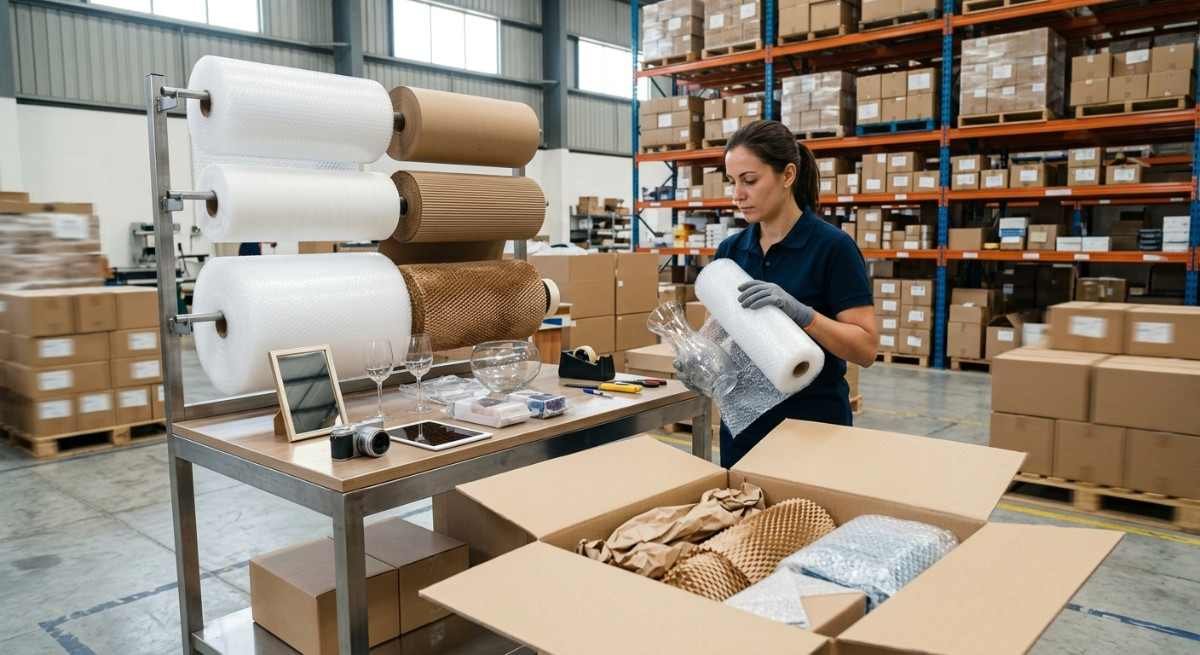
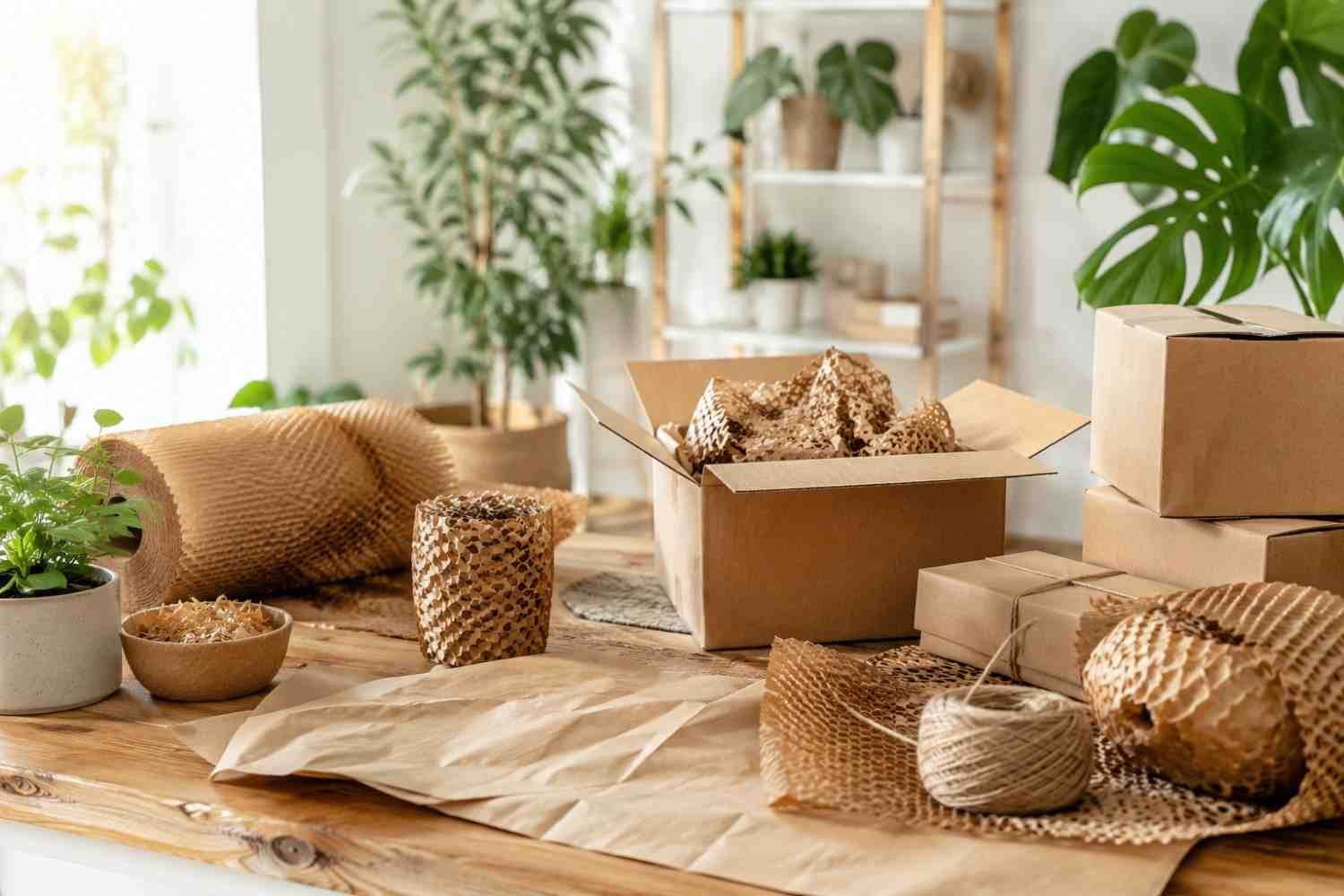
Anyone who has moved a house, shipped a fragile order, or used self storage in Dubai to safely store personal belongings knows one thing: this stage is where things either go right or go very, very wrong. I’ve spent years handling wrapping materials on a daily basis, testing rolls of soft paper, comparing plain sheets against bubble wrap, and figuring out which protective cover actually holds up under real pressure. Whether you’re preparing items for moving, shipping, or self storage in Dubai, this guide brings that hands-on experience together in one place, so you’re not left guessing which supplies to trust with your belongings.
What is Packing?
Definition of Packing
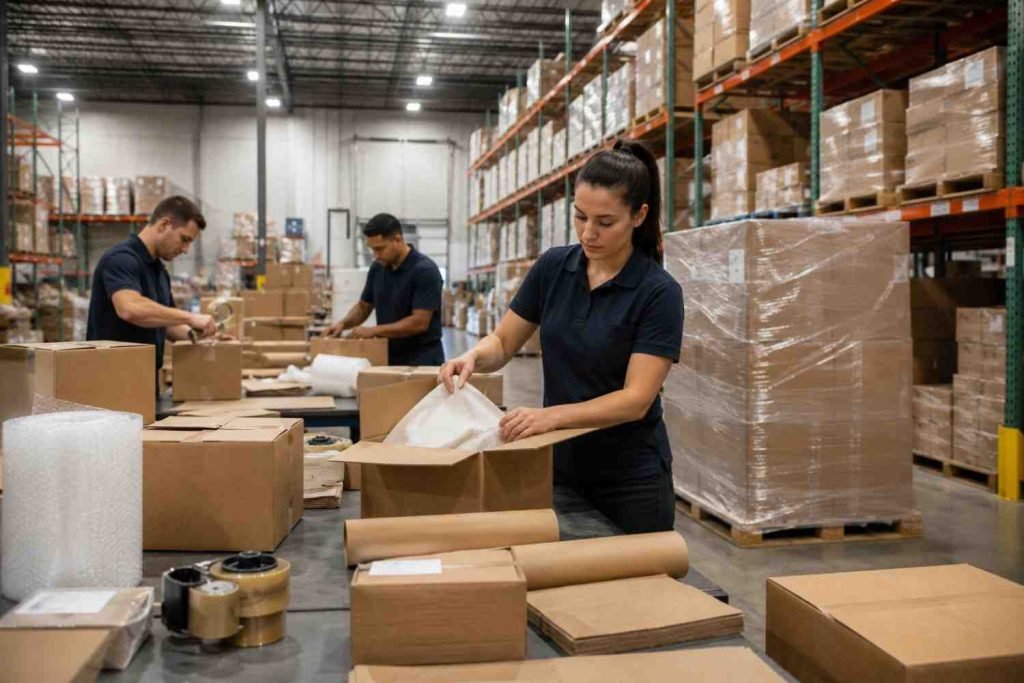
In simple terms, this is the process of preparing items for transport, storage, or shipment by wrapping, cushioning, and containing them securely. It covers everything from wrapping a single plate in soft paper to loading an entire office into corrugated boxes.
Why Proper Packing Matters
I’ve unpacked boxes where a single missing sheet of soft cushioning meant a cracked vase, and I’ve opened boxes filled with care where nothing so much as shifted after a cross-country move. That difference always comes down to doing it properly. When items are wrapped and boxed the right way, they arrive the way they left intact, clean, and ready to use.
Packing vs Packaging
These two words get used interchangeably, but they’re not quite the same. One is the act of preparing and protecting items for a move, shipment, or office storage, think folding, wrapping, and boxing. Packaging, on the other hand, usually refers to the materials and design used to hold, present, or brand a product, like a retail box or a printed pouch. Wrapping paper and packaging paper often serve similar protective roles, but one is about the process while the other leans more toward the product itself. Choosing the right materials is especially important when packing items for office storage, where long-term protection helps keep documents, electronics, and office equipment in excellent condition.
Why Proper Packing Is Important
- Protects valuable items : A layer of bubble wrap or soft wrapping paper around glassware, electronics, or artwork absorbs shocks that would otherwise crack or scratch the surface.
- Prevents damage : Loose items inside a box shift during transit. Filling gaps with soft filler or foam sheets keeps everything locked in place.
- Easier transportation : Well-prepared boxes stack better, carry better, and don’t burst open halfway through a move.
- Organized moving : Labeled, properly filled boxes mean you’re not tearing through six cartons looking for a phone charger.
- Better storage : Items stored with the right cover and materials hold up for months, even years, without moisture damage or dust buildup.
- Cost savings : Replacing a broken item almost always costs more than the paper or tape it would have taken to protect it.
Different Types of Packing Materials
Packing Paper
Plain, uncoated sheets are still one of the most reliable materials for wrapping dishes, glasses, and small household items. Soft enough not to scratch surfaces, and usually acid-free, this paper won’t leave residue or stains on delicate items over time.
Paper Wrap
Paper wrap is often used as a lighter alternative to bubble wrap. It’s ideal for wrapping individual items before placing them into a box, giving a protective buffer layer that also fills empty space so nothing rattles around during transport.
Bubble Wrap
Bubble wrap remains the go-to choice for anything fragile glass, ceramics, electronics, picture frames. The air pockets cushion against impact, and it’s flexible enough to wrap around awkward shapes.
Stretch Wrap
Stretch wrap keeps drawers shut, doors from swinging open, and stacked items from sliding apart during transit. It’s mainly used to bundle furniture, pallets, or multiple boxes together.
Corrugated Boxes
Corrugated boxes are built with a fluted inner layer sandwiched between two flat sheets, giving them strength without adding much weight. They’re the backbone of almost every move or shipment, from small parcels to large furniture cartons.
Carton Boxes
Carton boxes come in standard sizes for books, kitchenware, clothing, and general household items. Choosing the right carton size for the right items prevents overloading and makes stacking far easier.
Foam Sheets
Foam sheets add an extra cushioning layer for electronics, mirrors, and artwork. They’re thinner than bubble wrap but offer firm, even protection against scratches and light impact.
Adhesive Tape
A strong tape is what holds everything together literally. Weak or thin tape splits under weight, so it pays to invest in a heavy-duty roll, especially for boxes that will be stacked or moved over long distances.
Packing Cover
A packing cover is typically used for furniture, mattresses, and larger household items that don’t fit inside a box. It shields against dust, moisture, and scuffing during a move or while items sit in storage.
Honeycomb Packaging Paper
Honeycomb packaging paper has become a popular eco-friendly alternative to plastic bubble wrap. Its cellular structure gives similar cushioning while being fully recyclable, which makes it a strong choice for anyone trying to cut down on plastic waste.
Packing Paper vs Bubble Wrap – Which One Should You Choose?
This is probably the question I get asked the most, and the honest answer is: it depends on what you’re wrapping.
Comparison Table
| Feature | Packing Paper | Bubble Wrap |
| Cushioning level | Light to moderate | High |
| Best for | Dishes, glasses, books, filling gaps | Fragile, breakable, or high-value items |
| Cost | Lower | Slightly higher |
| Eco-friendliness | Recyclable, biodegradable | Recyclable but plastic-based |
| Space usage | Compact, easy to fold | Bulkier |
Pros: Wrapping paper is affordable, lightweight, doesn’t scratch surfaces, and is easy to source in bulk. Bubble wrap offers superior shock absorption and works well for reuse across multiple wraps.
Cons: Paper gives less cushioning against heavy impact, while bubble wrap is bulkier and slightly pricier unless you choose a biodegradable version.
Best Use Cases: Use it for everyday dishes, books, and general filler. Reach for bubble wrap when wrapping anything genuinely fragile – mirrors, glass frames, ceramics, or delicate electronics.
How to Choose the Right Packing Material
Household Moving
For a home move, a mix of paper wrap, bubble wrap, and sturdy carton boxes covers most needs. Add a protective cover for mattresses and sofas to keep them clean during transport.
Office Relocation
Offices need durable corrugated boxes for files and equipment, plus stretch wrap to secure loose cables, monitors, and drawers shut during the move.
Shipping Products
E-commerce shipments benefit from a combination of wrapping paper for void-fill, bubble wrap for protection, and strong tape to keep boxes sealed through multiple handling points.
Warehouse Storage
Long-term storage calls for moisture-resistant materials, stretch wrap for pallets, and sturdy cartons that can be stacked without collapsing.
Fragile Items
Anything breakable deserves layered protection: a base wrap, bubble wrap on top, and foam sheets or corner protectors for extra-sensitive edges.
Step-by-Step Packing Process
Prepare Your Items
Gather everything you plan to wrap in one spot before you start. It saves time and prevents last-minute scrambling for missing pieces.
Sort Everything
Group items by room, category, or fragility level so similar things end up in the same box.
Choose the Right Box
Pick a carton size that matches the weight and shape of what’s going inside. Overloading a box that’s too small leads to bursting seams.
Wrap with Packing Paper
Wrap individual items in soft paper before placing them into the box. This first layer prevents scratches and direct contact between items.
Add Cushioning
Fill empty spaces with bubble wrap, foam sheets, or crumpled paper so nothing shifts once the box is sealed.
Seal Properly
Use quality tape along every seam, including the bottom, so the box holds together under weight.
Label Every Box
Mark each box with its contents and destination room. It’s a small step that saves hours of confusion later.

Best Packing Supplies Checklist
- Wrapping paper
- Cushioning paper
- Bubble wrap
- Stretch film
- Packing cover
- Cartons
- Labels
- Adhesive tape
- Foam sheets
- Corner protectors
- Zip bags
How to Pack Different Household Items
Glassware
Wrap each piece individually in soft paper, then add a layer of bubble wrap for stemware and anything with a delicate rim.
Electronics
Use original boxes when available; otherwise wrap in foam sheets or bubble wrap and pack snugly so devices can’t shift inside the carton.
Furniture
Disassemble where possible, wrap with a protective cover or stretch wrap, and pad corners to avoid scuffs during loading.
Kitchen Items
Nest bowls and plates with soft paper between each piece, and store pots and pans with lids taped shut to save space.
Clothing
Fold neatly into cartons or use wardrobe boxes for hanging items to avoid wrinkles and creasing.
Books
Pack books flat in small boxes – they’re heavier than they look, and small cartons prevent overloading.
Artwork & Mirrors
Wrap in soft paper first, then bubble wrap, and finish with a rigid cover or cardboard corners to prevent glass breakage.
Common Packing Mistakes to Avoid
- Overfilling boxes : makes them too heavy to lift safely and increases the risk of the bottom giving out.
- Using weak cartons : old or thin boxes collapse under stacked weight.
- No labels : leads to confusion and wasted time during unpacking.
- Poor sealing : a few strips of tape aren’t enough; seal every seam properly.
- Wrong type of paper : using printed or colored sheets on light-colored items can transfer ink stains.
- Empty spaces : unfilled gaps let items move and collide during transport.
Eco-Friendly Packing Options
Recyclable Packaging Paper
Recyclable packaging paper offers the same protective qualities as standard wrapping paper while being fully compostable or recyclable after use.
Kraft Paper
Kraft paper is sturdy, biodegradable, and works well both as a wrapping material and as void-fill inside boxes.
Reusable Boxes
Plastic reusable crates or sturdy cartons that can be used for multiple moves cut down on cardboard waste over time.
Sustainable Materials
Options like honeycomb packaging paper, biodegradable stretch film, and recycled cartons are becoming easier to find and just as effective as traditional materials.
Packing for Moving vs Shipping
Comparison: Moving typically involves larger, bulkier items and shorter transit times, while shipping deals with smaller parcels traveling longer distances through multiple handlers.
Materials: Moving relies more on protective covers, stretch wrap, and large cartons; shipping leans on soft cushioning, bubble wrap, and strong tape for smaller, sealed boxes.
Protection Level: Shipping generally requires denser cushioning since parcels pass through more handling points and vehicles.
Cost: Moving materials are often reusable and bought in bulk, while shipping supplies are usually calculated per parcel.
Industries That Use Professional Packing
- Furniture
- E-commerce
- Retail
- Manufacturing
- Healthcare
- Food Industry
- Logistics
How Professional Packing Services Help
- Faster turnaround : trained teams handle an entire home or office in a fraction of the time it would take alone.
- Damage reduction : experienced crews know exactly which materials suit which items.
- Better organization : professional labeling and inventory systems make unpacking straightforward.
- Insurance compliance : many movers require professional standards to qualify for damage coverage.
- Safe transportation : correctly wrapped items handle bumps, stacking, and long transit far better.
Why Quality Packing Materials Matter
- Better protection : premium paper and bubble wrap absorb shock more effectively than thin, low-grade alternatives.
- Moisture resistance : quality cartons and protective covers keep dampness and humidity away from stored items.
- Secure transportation : strong tape and sturdy boxes reduce the risk of a box failing mid-transit.
- Professional presentation : neatly prepared shipments reflect well on businesses shipping to customers.
- Lower replacement costs : spending a little more on good materials upfront usually costs less than replacing damaged goods later.
How to Store Packing Materials Properly
- Keep dry : moisture weakens cardboard and causes paper to become brittle.
- Avoid sunlight : direct sunlight can yellow soft paper and degrade tape adhesive over time.
- Flat storage : store cartons flat until needed to save space and keep them in shape.
- Organized inventory : group materials by type so you’re not digging through everything to find one roll of tape.
Frequently Asked Questions
What is packing paper used for?
It’s used to wrap individual items dishes, glassware, ornaments – before boxing them, and to fill empty spaces so nothing shifts during transit.
Is paper wrap better than bubble wrap?
Paper wrap works well for lighter cushioning and general wrapping, while bubble wrap offers stronger shock absorption for fragile or breakable items. Neither is universally better it depends on what’s being wrapped.
Which packing material is best for fragile items?
A combination of soft paper as a base layer and bubble wrap on top gives the best protection for anything breakable.
Can packing paper be recycled?
Yes, most standard sheets are recyclable, and unprinted kraft varieties are also biodegradable.
What is the difference between packing and packaging?
This refers to the process of preparing and protecting items for transport or storage, while packaging usually refers to the materials or design used to hold and present a product.
How much packing paper do I need for moving?
This depends on the size of the move, but as a rough guide, an average household move typically uses several bundles of wrapping paper to properly cover kitchenware, glassware, and decorative items.
Which packing cover protects furniture best?
A thick, breathable packing cover designed for furniture protects against dust, scuffs, and moisture better than a thin plastic sheet.
What are the best packing materials for shipping?
A combination of sturdy corrugated boxes, paper wrap for void-fill, bubble wrap for protection, and strong tape covers most shipping needs.
Final Thoughts
This whole process isn’t complicated, but it does take a bit of know-how to get right every time. Whether you’re wrapping a single glass in packing paper, securing a sofa with a packing cover, or filling a shipping box with soft cushioning and bubble wrap, the goal stays the same everything arrives the way it left. Choose quality packaging paper and materials, follow a proper process, and it stops being a chore and becomes something you can actually trust.