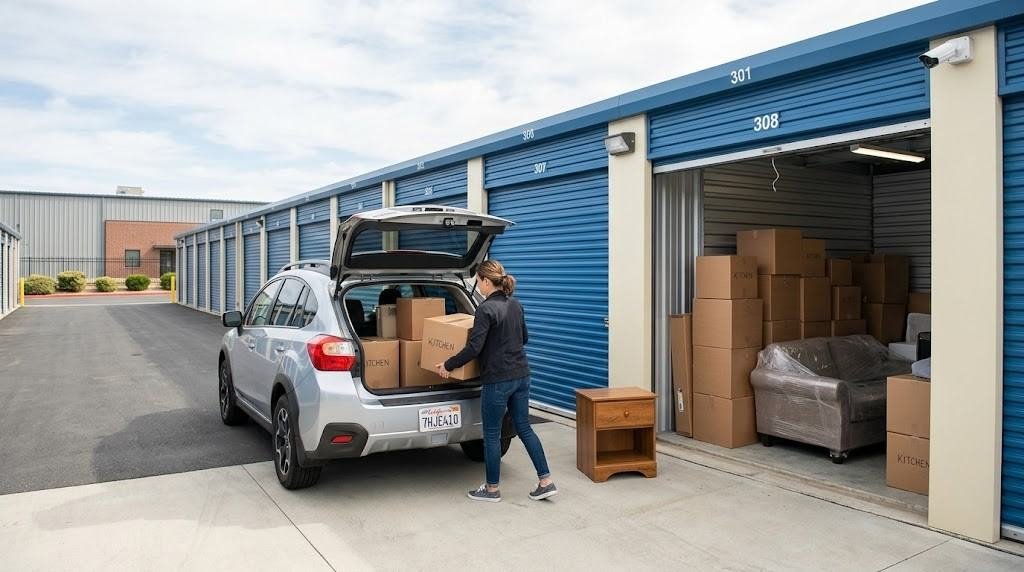
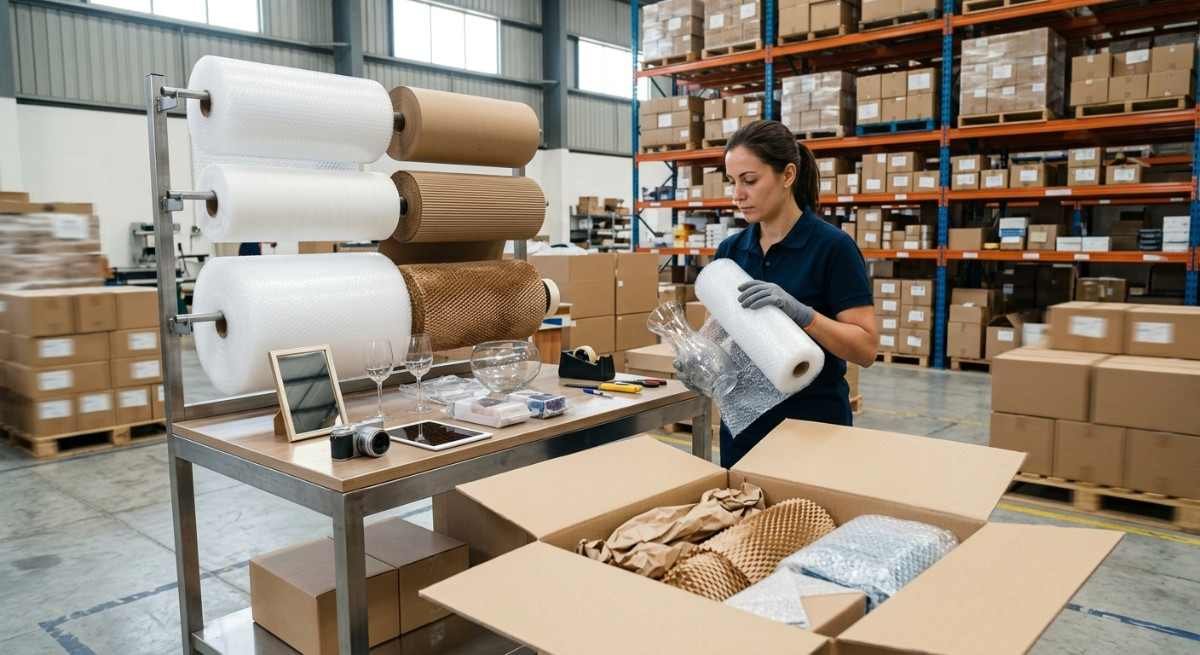
Anyone who has packed a house, run a small warehouse, or shipped even a handful of online orders knows the moment a badly wrapped item arrives cracked at the corner. That is usually not a shipping problem it is a packing roll problem. Over years of packing everything from kitchen glassware to office electronics for moving, courier pickup, and storing belongings in self storage in Dubai, I have learned that the right roll saves more money in returns and breakages than almost any other packaging decision. This guide walks through what this product actually is, the different types you will come across in the UAE market, how to pick the correct one for your item, and where to buy it without overpaying.
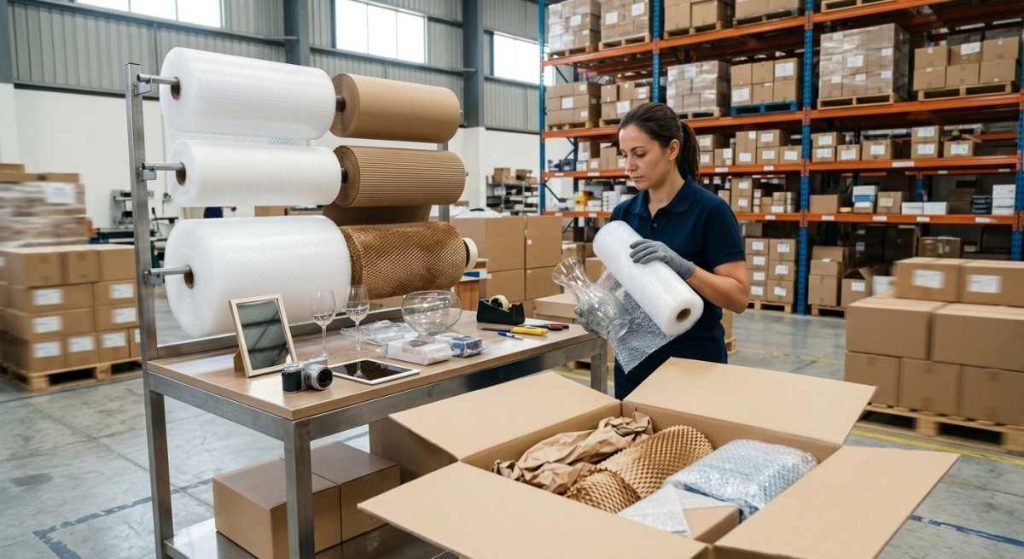
What Is a Packing Roll?
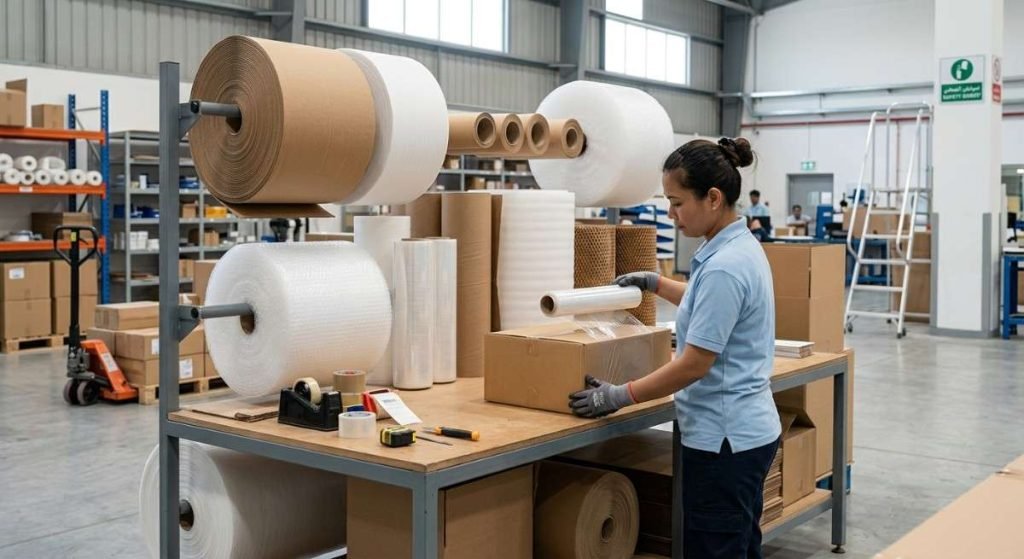
A packing roll is a continuous length of protective or wrapping material—usually corrugated paper, cardboard, foam, or plastic film—supplied on a roll so it can be cut to whatever length a job needs. Instead of buying pre-cut sheets or boxes for every size of item, a roll lets you wrap, cushion, or bundle products of almost any shape, which is why it has become a staple in moving and packing services, warehouses, and e-commerce packing stations.
The materials used most often are corrugated paper, plain cardboard, PE foam, stretch film, shrink film, and bubble wrap. Each behaves differently: paper-based rolls flex around edges and corners, foam rolls absorb shock, and plastic rolls hold items tightly together during transit. What separates this format from a pre-formed box or a packaging sheet is flexibility a roll adapts to the object, not the other way around, so one roll can protect a lamp, a mirror, and a stack of plates without needing three different pack sizes.
What Are Packing Rolls Used For?
In my own packing work, I reach for a roll far more often than a box, simply because most items are not box-shaped. This format is used across a wide range of situations:
- Moving and relocation: wrapping furniture, mattresses, and household items before a move
- Shipping and transportation: cushioning products inside cartons before courier handover
- Furniture protection: guarding wooden surfaces, sofas, and cabinets from scuffs during transit
- Glass and mirror protection: layering fragile flat surfaces so they do not chip or shatter
- Electronics and fragile items: wrapping screens, appliances, and delicate components
- E-commerce orders: protecting products inside parcels before dispatch to customers
- Warehouses and packing stations: high-volume wrapping where speed and consistency matter
Whether you are packing a single fragile vase or running a full packing station, the roll format lets you match the amount of protection to the item instead of over-packing everything in the same size box.
Types of Packing Rolls
Not every roll does the same job, and picking the wrong type is the most common mistake I see people make when they are new to packing. Here are the main types available in the UAE packaging market.
Corrugated Rolls
Corrugated rolls are made from fluted, layered paper—the same structure used in cardboard boxes, but flexible enough to wrap around irregular shapes. They are a strong choice when you need rigidity along with some give, such as wrapping furniture edges or reinforcing carton corners. For anyone comparing moving supplies, corrugated rolls are particularly useful because they can protect vulnerable surfaces without adding the bulk of rigid packaging materials.
Cardboard Rolls
Cardboard rolls are flatter and less flexible than corrugated versions but offer a firm, protective barrier for surfaces that need to stay flat, such as furniture panels or large glass sheets. They are also widely used for interleaving between stacked items in storage.
Foam Wrap Rolls
Foam wrap rolls, usually PE foam in 1mm to 5mm thickness, are the go-to choice for glass, mirrors, screens, and anything that can scratch or crack on impact. The foam cushions against shock and slides easily around corners and curves.
Bubble Wrap Rolls
Bubble wrap rolls remain one of the most recognizable packing materials, offering air-pocket cushioning for electronics, ceramics, and anything that needs shock absorption in a lightweight form.
Stretch Wrap Rolls
Stretch wrap rolls are stretchable plastic film used to bundle multiple boxes onto a pallet or hold furniture parts together. They grip tightly without adhesive, which makes them ideal for warehouse and logistics use.
Shrink Wrap Rolls
Shrink wrap rolls need heat to activate, shrinking tightly around a product or pallet to form a secure, weather-resistant seal commonly used for bulk retail packs and outdoor storage.
Honeycomb Paper Rolls
Honeycomb paper rolls use a cellular paper structure that cushions like foam but is fully paper-based, making them a popular eco-friendly alternative for furniture and appliance wrapping.
Paper Bubble Rolls
Paper bubble rolls mimic traditional bubble wrap but are made from recyclable paper instead of plastic, giving similar cushioning with a smaller environmental footprint.
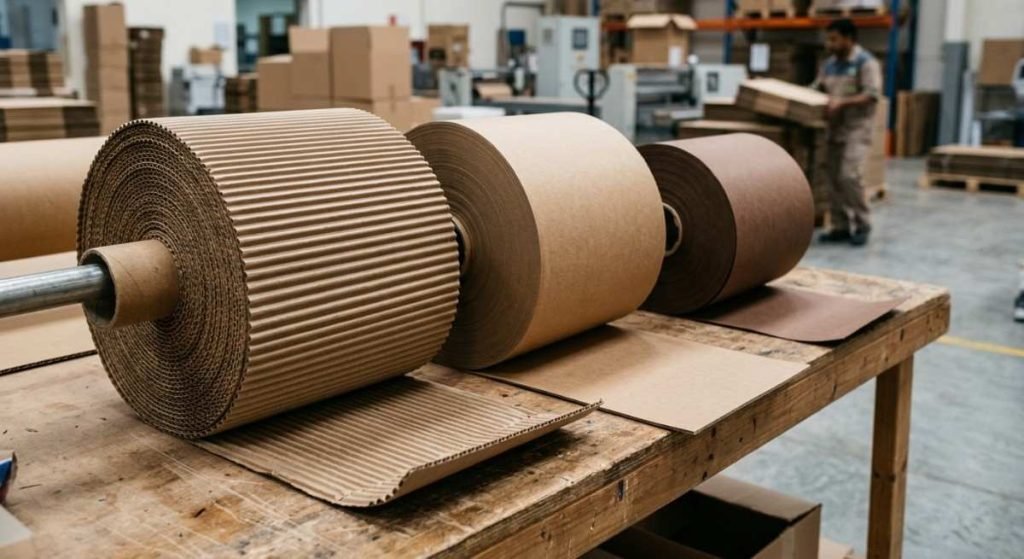
Packing Roll Materials | Corrugated Paper, Cardboard & Plastic
The material behind each roll decides how it performs, and this is where most buying mistakes happen.
- Corrugated paper: fluted for strength and flexibility, ideal for wrapping edges and corners without tearing
- Cardboard: flat and rigid, better suited to interleaving and surface protection than wrapping curves
- PE foam: soft, cushioning, and scratch-resistant, best for glass, screens, and polished surfaces
- Plastic/stretch film: used for bundling and securing rather than cushioning, common in pallet wrapping
- Choosing material according to the item being packed matters more than choosing by price. A heavy wooden table needs a different roll than a stack of dinner plates, even though both could technically be wrapped in the same generic roll.
Corrugated paper and cardboard are both paper-based, but they are not interchangeable corrugated paper flexes and cushions, while cardboard stays rigid and flat, which is why many packers keep both on hand rather than picking one over the other.
How to Choose the Right Packing Roll
Consider the Item You Are Packing
Fragile, flat items like glass need cushioning foam or bubble rolls. Bulky furniture benefits from corrugated rolls that can wrap around edges without splitting. Bundled boxes on a pallet need stretch film, and boxes themselves are usually reinforced with a carton roll rather than paper.
Choose the Right Thickness
Thinner rolls (around 1mm to 2mm) suit lightweight items and short-distance moves, while thicker rolls (4mm to 5mm) are better for long-distance shipping, international moves, or heavier items that need more cushioning.
Select the Appropriate Roll Size
Roll width determines how much of an item you can cover in one pass, and roll length determines how many items one roll will actually finish. Buying a roll too narrow for large furniture means extra taping and joins, which weakens the wrap.
Consider Strength and Protection
Match the protection level to the risk. A moving box full of books needs less cushioning than a flat-screen television, even if both are being transported the same distance.
Think About Storage and Handling Requirements
If you are storing a roll for later use, keep it away from moisture and direct sunlight, especially foam and paper-based versions, which can weaken or discolor over time.
Packing Roll for Moving and Shipping
Packing Furniture and Large Items
Furniture is one of the toughest packing jobs because of its odd shapes and flat surfaces. A corrugated roll or foam roll wrapped around legs, edges, and corners prevents scuffing during loading, transport, and unloading.
Protecting Fragile Items During Transport
Glass, mirrors, and electronics need layered protection foam close to the surface, then a firmer outer wrap such as a cardboard roll or corrugated roll for structural support.
Using Rolls for Cartons and Boxes
A carton roll or corrugated roll is often used to line the inside of boxes or reinforce weak corners before sealing, adding strength without switching to a heavier box altogether. Many packing stations keep a carton roll next to the workbench specifically for this purpose, since it is faster than swapping to a new box size for every order.
Packing Rolls for E-Commerce Shipping
High-volume sellers rely on rolls at the packing bench because they can be cut to the exact size needed per order, cutting down on wasted material compared to fixed-size packaging.
How to Use a Packing Roll Properly
Prepare the Item Before Wrapping
Clean the surface, remove loose parts where possible, and lay out enough roll length before you start so you are not cutting mid-wrap.
Wrap and Secure the Item
Wrap in even, overlapping layers so there are no gaps where the material has stretched thin, then secure with tape rather than relying on the roll’s own grip.
Add Extra Protection to Fragile Areas
Corners, edges, and protruding parts break first, so add an extra layer of foam or bubble wrap specifically at those points before the final outer wrap goes on.
Seal and Label the Package
Once the item is wrapped, seal every open edge with tape and label the package clearly, especially if it contains glass or electronics that need careful handling.
Packing Roll vs Cardboard Roll vs Corrugated Roll
People often use these terms interchangeably, but they are not the same product, and mixing them up leads to under-protected shipments.
- Material differences: a packing roll is the general category; a cardboard roll is flat and rigid; a corrugated roll is fluted and flexible
- Protection level: corrugated rolls generally offer better shock absorption than plain cardboard rolls
- Flexibility: corrugated rolls wrap around curves and corners more easily than a stiff, flat sheet
- Best use cases: cardboard rolls suit flat surface protection; corrugated rolls suit wrapping and cushioning; foam or plastic rolls suit fragile or bundled items
- Cost and practicality: these are usually the most economical option, while foam and specialty rolls cost more but reduce damage-related losses
In practice, a carton roll is often just a corrugated roll sized for boxing and carton work, so the naming overlaps depending on the supplier what matters is checking the actual material and thickness rather than the label alone. If a listing simply says carton roll without specifying thickness, ask the supplier directly before ordering in bulk.
Benefits of Using Packing Rolls
- Protection against scratches and damage: a cushioned layer between the item and the outer box or pallet
- Cushioning during transportation: absorbs bumps and vibration during transit
- Easy handling and application: rolls can be cut and wrapped quickly without special tools
- Flexible packaging: one roll adapts to many shapes and sizes instead of needing multiple box sizes
- Reduced risk of product damage: fewer returns and replacements from transit damage
- Suitable for different industries: moving companies, e-commerce, retail, warehousing, and manufacturing all rely on the same core roll formats
Packing Rolls for Businesses, Warehouses & Bulk Packaging
- Wholesale and bulk requirements: businesses that pack daily typically buy rolls in bulk to keep per-unit cost down
- Packing stations: a dedicated roll dispenser at each station speeds up repetitive wrapping tasks
- Retail and e-commerce businesses: consistent wrapping helps maintain a uniform unboxing experience for customers
- Industrial packaging: heavier-duty carton roll and corrugated stock protect machinery parts and bulk goods during storage and transit
- Storage and inventory considerations bulk rolls take up storage space, so many warehouses plan roll stock alongside other packaging inventory rather than ordering reactively
Are Packing Rolls Eco-Friendly?
Eco-friendliness depends heavily on the material. Paper and cardboard-based options, including corrugated paper and honeycomb paper rolls, are widely recyclable and break down far faster than plastic film. Plastic stretch and shrink rolls are harder to recycle in most municipal systems, though some suppliers now offer recyclable or biodegradable versions.
Reducing unnecessary packaging is just as important as material choice using the correct thickness and only as much roll as the item actually needs cuts down on waste without compromising protection. For businesses focused on sustainability, choosing sustainable packaging materials such as paper-based options over plastic film is usually the simplest change to make.
What Size Packing Roll Do You Need?
- Roll width: should be wide enough to cover the item in as few passes as possible
- Roll length: longer rolls reduce how often you need to replace them, useful for high-volume packing
- Thickness: thin for light protection, thick for long-distance or fragile shipments
- Matching roll size to the product and application: a small business packing jewelry needs a completely different roll size than a warehouse wrapping pallets, so size the roll to the job rather than buying one size for everything
Frequently Asked Questions About Packing Rolls
What is a packing roll used for?
A packing roll is used to wrap, cushion, and protect items during moving, shipping, and storage. It covers everything from furniture and glass to electronics and bulk e-commerce orders.
What is the difference between a carton roll and a cardboard roll?
A carton roll usually refers to corrugated material sized for reinforcing or lining boxes, while a cardboard roll is flatter and more rigid, better suited to surface protection than wrapping.
What is corrugated paper used for packaging?
Corrugated paper is used to wrap furniture edges, reinforce carton corners, and cushion items that need both flexibility and structural strength during transit.
Are cardboard rolls suitable for fragile items?
They work well for flat, fragile surfaces like glass panels, but for items that need shock absorption, foam or bubble rolls are a better choice.
Which packing roll is best for moving furniture?
Corrugated rolls or foam wrap rolls are generally best for furniture, since they wrap around edges and corners without splitting or losing cushioning.
How do I choose the right packing roll thickness?
Match the thickness to the item’s fragility and the distance it is traveling thinner rolls for short local moves, thicker rolls for long-distance shipping or delicate items.
Can packing rolls be purchased in bulk?
Yes, most suppliers offer them in bulk or wholesale quantities, which is the standard option for warehouses, packing stations, and e-commerce businesses.
Are packing rolls recyclable?
Paper-based rolls, including corrugated paper, are generally recyclable, while plastic stretch and shrink rolls are recyclable in fewer facilities.