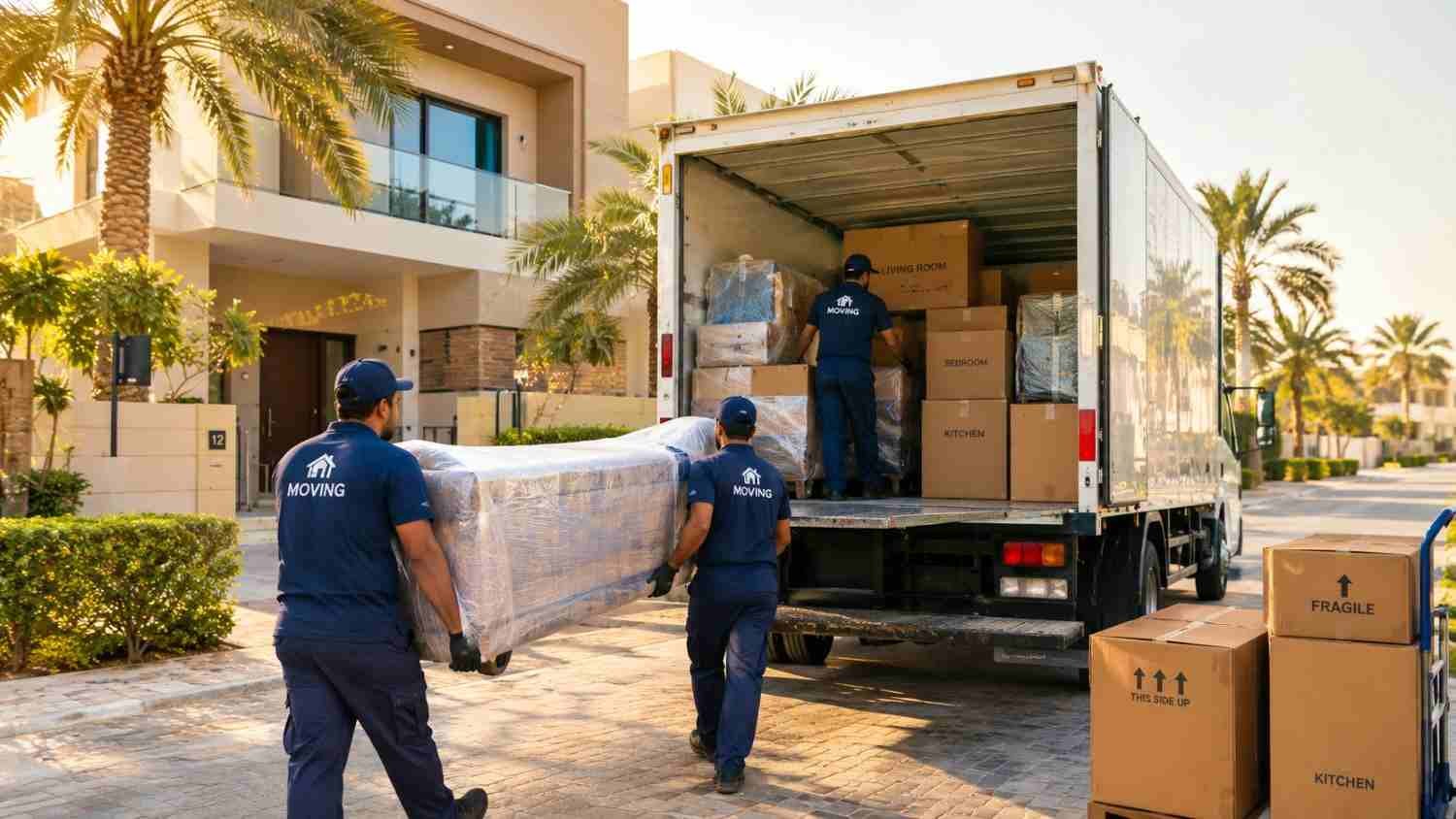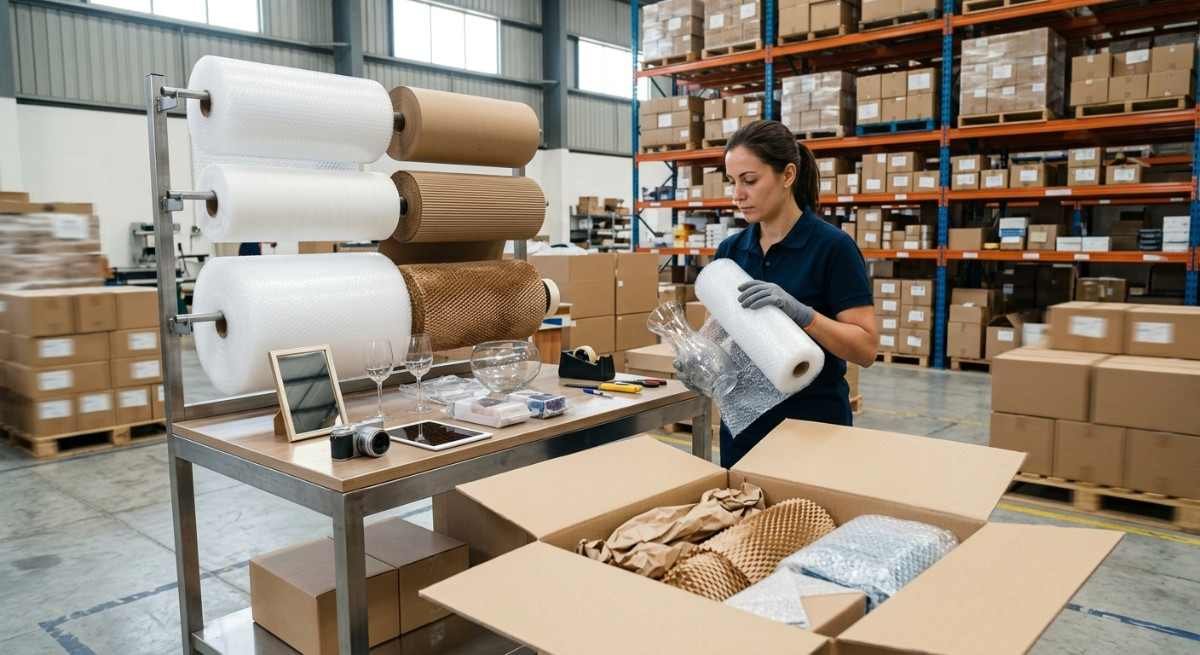
Every time I’ve moved house or shipped something breakable, one roll has come out of the closet before anything else packing bubble wrap. Plates, monitors, picture frames, the odd ceramic mug I was way too attached to it’s the one material I trust to actually keep things in one piece between my front door and wherever they’re headed, especially when I need Self Storage Dubai for belongings that need to stay protected and secure..
This guide is everything I’ve picked up from actually using it over the years: what it’s made of, which type suits which item, how to wrap correctly, and where it’s worth swapping for something else.
What Is Packing Bubble Wrap and How Does It Protect Your Items?
At its core, packing bubble wrap is a clear plastic sheet with rows of small, evenly spaced air pockets sealed between two layers of film. Simple idea, but it’s held up as the go-to cushioning material in shipping and moving for decades.
The protection comes from the air itself. Every bubble is a tiny sealed pocket that compresses under pressure so when a box gets knocked, dropped, or squeezed in transit, the impact gets absorbed and spread across dozens of these pockets instead of slamming straight into whatever’s inside. That’s what makes it so effective for fragile items during moving, shipping, and office storage it cushions on contact, flexes around whatever shape you’re wrapping, and doesn’t compress permanently the way some foam does after one hard knock.
What Can You Use Bubble Wrap for Packing?
Once you start reaching for it regularly, you notice how many things around a house or a warehouse floor genuinely need this kind of cushioning.
Glassware, Crockery & Kitchen Items
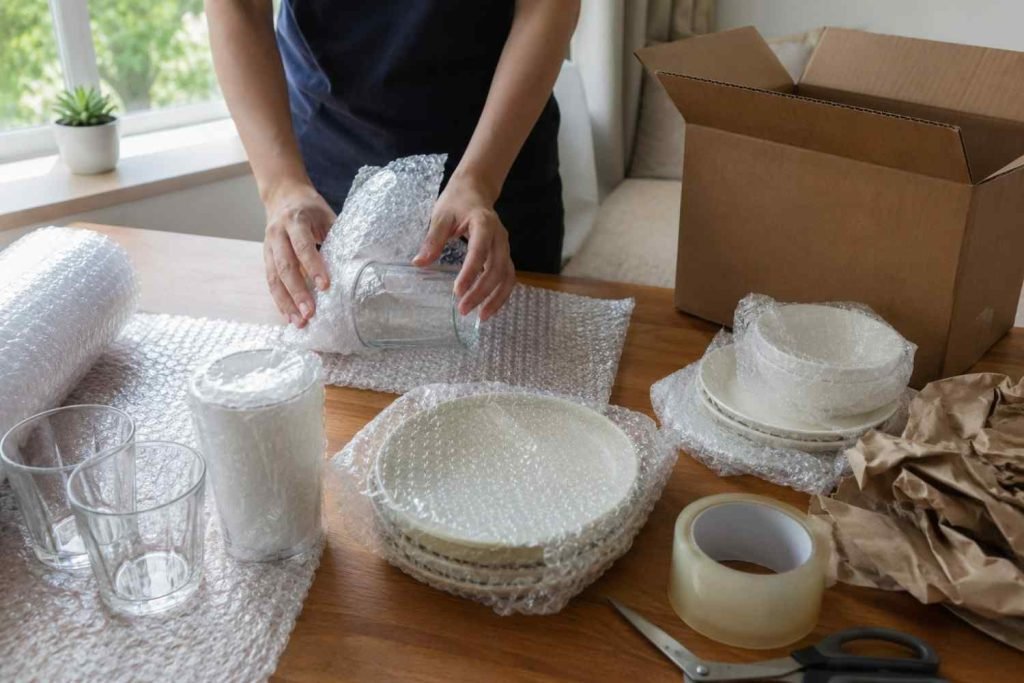
Plates, drinking glasses, ceramic bowls, teapots this is the classic use case. I wrap each piece on its own rather than grouping several together in one sheet; it takes longer, but one cracked glass won’t take out the two plates sitting next to it.
Electronics & Small Appliances
Laptops, monitors, blenders, gaming consoles all have corners and screens that crack far more easily than people expect. Regular bubble wrap works, though anti-static bubble wrap is the smarter pick for anything with exposed circuitry, since standard wrap can build up a static charge.
Furniture, Mirrors & Home Décor
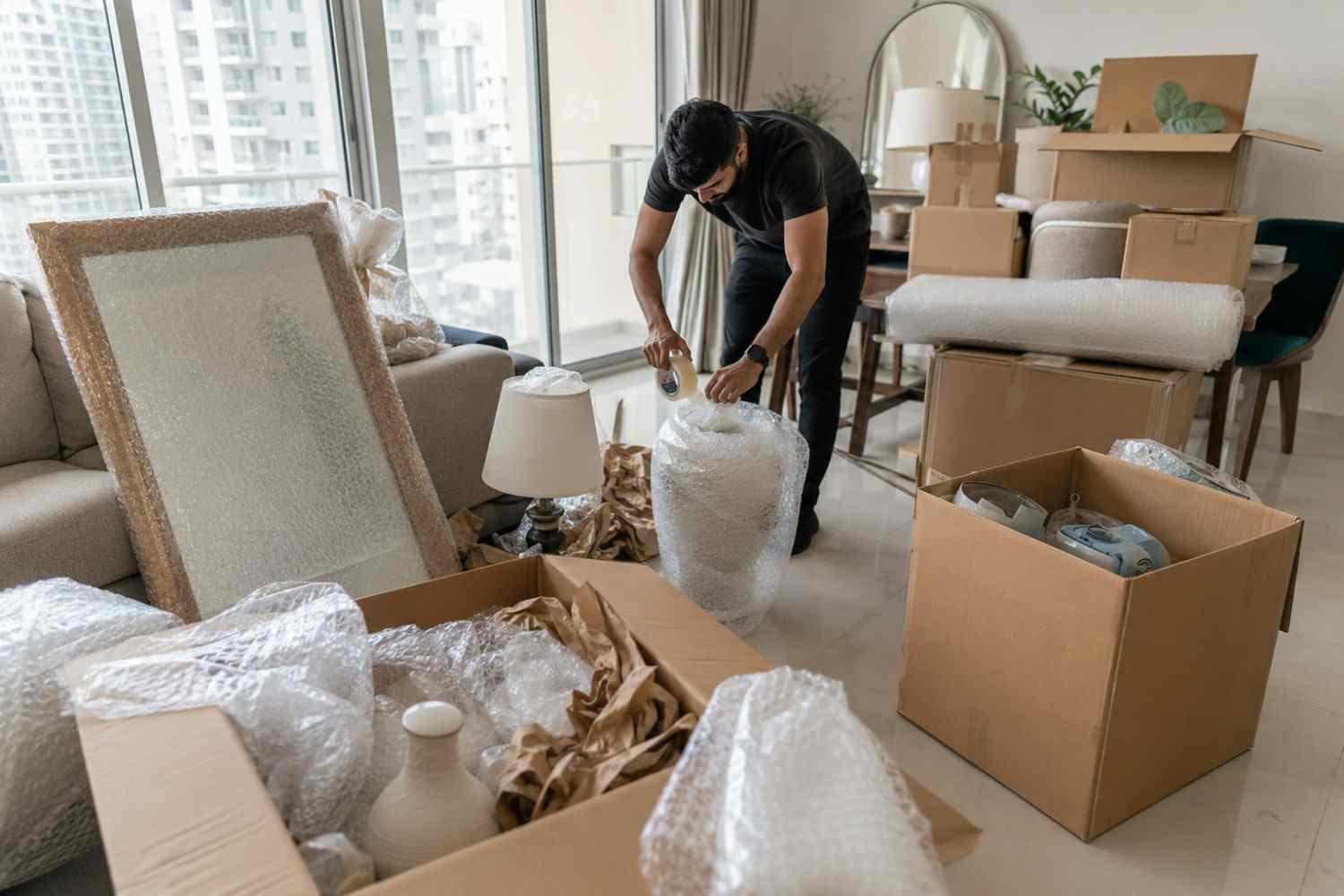
Mirrors and framed art usually need a layer of packing paper first to prevent surface marks, then bubble wrap over the glass and corners to absorb impact during the move.
Jewelry, Collectibles & Other Delicate Items
Small figurines, collectibles, and jewelry pieces do best wrapped individually and packed tightly enough that they can’t knock against one another inside the box.
Packages for Shipping and Online Orders
If you sell online, a quick round of packing bubble wrap before an item goes into its mailer is often the one thing standing between a happy customer and a damaged-item complaint. It’s a habit that pays for itself the first time it prevents a return.
Types of Bubble Wrap for Packing
Not every roll is built the same, and grabbing the wrong type is one of the most common packing mistakes I see.
Small Bubble Wrap vs. Large Bubble Wrap
Small bubbles (roughly 3/16 inch) suit lighter items jewelry, small electronics, glassware. Large bubbles (around 1/2 inch or more) hold more air and give heavier or bulkier pieces extra cushioning depth, which is why they’re standard for furniture and appliances.
Standard Clear Bubble Wrap
This is the everyday bubble wrap most people picture clear, flexible, and suited to general household or retail packing.
Anti-Static Bubble Wrap for Electronics
Usually tinted pink, this version is treated to stop static buildup. For circuit boards, hard drives, or anything electronic, it’s worth the small extra cost over standard wrap.
Paper Bubble Wrap & Eco-Friendly Alternatives
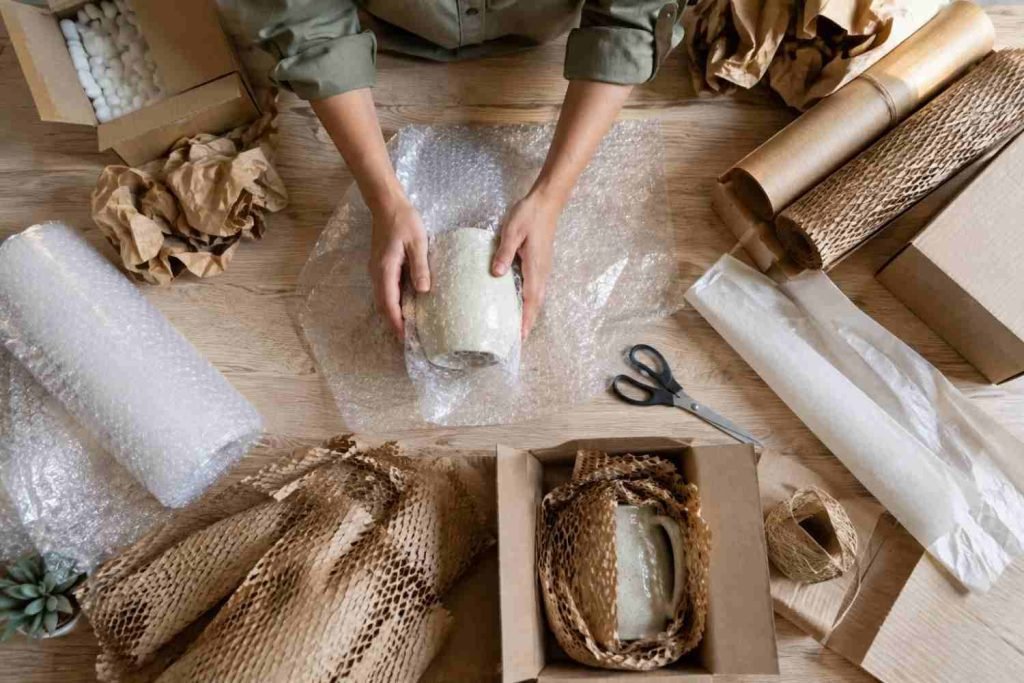
Paper-based bubble wrap and honeycomb kraft paper have become solid, recyclable alternatives. They don’t cushion quite as well as plastic for very fragile pieces, but they’re a reasonable trade-off for moderate protection.
How to Use Bubble Wrap for Packing Fragile Items
This is the step most people rush through, and it’s exactly where breakages happen. Here’s the routine I follow every time.
Prepare a Clean, Flat Packing Surface
Clear the table or counter first. Dust or debris under an item can scratch it while you’re wrapping, and clutter makes it easy to fumble something delicate.
Choose the Right Bubble Wrap Size
Match the bubble size to the item’s weight small bubbles for light pieces, large for anything heavier. Cut a sheet about two to three times the item’s size so you have enough for full coverage with overlap.
Wrap the Item With the Bubbles Facing the Right Way
This is where most people get it backwards. For fragile items, bubbles should face inward, toward the item, so the cushioning makes direct contact. If the surface is delicate (polished wood, glossy paint), a thin layer of packing paper underneath first prevents any bubble imprint.
Add Extra Layers for Delicate Items
One layer rarely cuts it for anything genuinely fragile I go with at least two layers for glass and ceramics, with extra padding at the corners, since corners take the worst of any impact. This alone is the difference between an average bubble wrap packing job and a genuinely safe one.
Secure the Wrap With Packing Tape
Tape around the wrap itself, never directly onto the item’s surface a strip of paper or cardboard between the tape and the item avoids sticky residue or pull damage later.
Place the Wrapped Item Inside a Suitable Box
Leave a couple of inches of clearance on every side. Too tight and you lose the cushioning effect; too loose and the item can shift and collide with the box walls a small detail that makes or breaks the whole bubble wrap packing job.
Fill Empty Spaces With Additional Protective Packaging
Pack any remaining gaps with paper, air pillows, or spare wrap so nothing can move once the box is sealed. Get this part right and your whole approach to how to use bubble wrap for packing starts to feel automatic after a couple of boxes.
How Much Bubble Wrap Do You Need for Packing?
There’s no single number it depends on what’s going in the box. As a rough rule for packing bubble wrap: a small, sturdy item needs one layer, a medium fragile item needs two, and anything heavy, oddly shaped, or highly breakable gets three or more.
For a single item, estimate a sheet roughly two to three times its surface area. For a full house move, buy a roll rather than individual sheets it works out cheaper per square foot, and running out mid-pack is its own kind of stressful. This is really the heart of how to use bubble wrap for packing efficiently: know your quantity before you start, not halfway through a box.
Sheets suit the occasional single item; rolls make more sense once you’re doing several boxes or shipping regularly and once you’re doing a lot of it, good bubble wrap packing habits genuinely save you money on material.
What Size Bubble Wrap Is Best for Packing?
Small Bubbles for Smaller or Lightweight Items
Small-bubble packing bubble wrap suits jewelry, small electronics, cosmetics, and anything light that still needs protection from scuffs and minor knocks.
Large Bubbles for Heavy or Highly Fragile Items
Large bubbles give more cushioning depth, which matters once the item’s own weight adds force to any impact appliances, framed mirrors, and heavier ceramics all benefit.
Choosing the Right Roll Width and Length
Rolls typically run 12 to 40 inches wide, with lengths from 10 feet up to 100-plus. A wider roll saves time on big items since you’re not taping strips together; a longer roll is more economical for bulk packing. Getting this choice right upfront is half of learning how to use bubble wrap for packing without wasting material.
Bubble Wrap Packing Mistakes to Avoid
I’ve made most of these myself at some point, so treat this as the shortcut past them.
Using Too Little Protective Wrap
A single thin layer of packing bubble wrap around a heavy or fragile item almost never cushions enough. When in doubt, add another layer it costs a minute, not a replacement item.
Leaving Corners and Edges Exposed
Corners take the hardest hits in transit. Always pad corners and edges a little extra, even when the flat surfaces look adequately covered.
Choosing the Wrong Bubble Size
Small bubbles on a heavy item, or bulky large bubbles on something tiny, either under-protects or wastes material match the size to the item, not the roll you happen to have handy for the bubble wrap packing job at hand.
Using Tape Directly on Delicate Surfaces
Tape straight onto a finished surface can peel paint or leave residue when removed. Tape onto the wrap, never onto the item.
Leaving Too Much Empty Space Inside the Box
An item that can still slide around inside its box hasn’t really been protected, no matter how much wrap is on it. Fill every gap it’s the single easiest way to upgrade a mediocre bubble wrap packing job into a solid one.
Bubble Wrap vs. Other Packing Materials
Bubble Wrap vs. Packing Paper
Packing paper is cheaper and fine for filling gaps or protecting against scuffs, but it doesn’t come close to the shock absorption of packing bubble wrap for anything genuinely fragile.
Bubble Wrap vs. Foam Packaging
Foam sheets and foam-in-place systems protect high-value or oddly shaped items well, but they’re bulkier, harder to store flat, and usually pricier than a roll of bubble wrap for everyday use.
Bubble Wrap vs. Honeycomb Paper Wrap
Honeycomb paper has grown popular as a plastic-free option. It’s sturdy for moderately fragile items, but for delicate glass or ceramics, bubble wrap’s air cushioning still tends to win.
When to Combine Bubble Wrap With Other Packaging Materials
For high-value pieces antiques, electronics, artwork I combine bubble wrap with a base layer of packing paper and a rigid outer box. Layering different materials, each doing a different job, beats relying on any single one, and it’s a habit worth building into every bubble wrap packing routine you run.
Is Bubble Wrap Recyclable and Reusable?
Can You Reuse Bubble Wrap?
Yes, as long as it hasn’t been popped or torn. I keep a box of used packing bubble wrap specifically for reuse it’s saved me buying a fresh roll more times than I can count, especially for smaller items and gifts.
How to Dispose of Used Bubble Wrap
Standard plastic bubble wrap generally can’t go in curbside recycling, since it jams sorting equipment. Many grocery and retail stores that accept plastic film bags will take bubble wrap through the same drop-off points.
Eco-Friendly Alternatives to Traditional Bubble Wrap
Paper bubble wrap, honeycomb kraft paper, and biodegradable air cushions are the main moving supplies options if cutting down on plastic matters to you, without giving up too much protection.
Why Use Bubble Wrap for Packing, Shipping and Moving?
- Absorbs shock and impact for fragile or breakable items
- Adds cushioning without adding much shipping weight
- Flexes around irregular or oddly shaped items
- Cuts and handles easily, no special tools needed
- Works equally well for short-term shipping and longer-term storage
Put simply, that’s why this material has stayed the default choice across moving companies, warehouses, and online sellers alike.
How to Choose the Right Packing Bubble Wrap
Consider the Item’s Size and Fragility
Bigger, heavier, or more delicate items need thicker wrap and more layers of packing bubble wrap. Small, sturdy items usually get by with a single standard layer.
Choose the Right Bubble Size and Thickness
Small bubbles for light, delicate pieces; large bubbles for anything heavier or bulkier. When you’re unsure, thicker wrap gives you a bigger safety margin.
Select Rolls, Sheets or Bubble Bags
Rolls suit bulk packing and full moves, sheets work for the occasional single item, and pre-made bubble bags or mailers save time on small shipped products. Once you know how to use bubble wrap for packing at this scale, restocking becomes second nature too.
Consider Storage, Reusability and Sustainability
If you’re buying in bulk, think about where the roll will live and whether a paper-based or eco-friendly option fits your priorities better than standard plastic.
Frequently Asked Questions About Packing Bubble Wrap
What is bubble wrap used for?
It’s used to cushion and protect items from shock, impact, and scratches during packing, shipping, moving, and storage.
How do you pack items with bubble wrap?
Wrap with the bubbles facing inward, use enough layers for the item’s fragility, tape onto the wrap rather than the item, and fill any remaining box space so nothing shifts.
Should bubble wrap face in or out?
For most fragile items, bubbles facing inward gives the best direct cushioning contact. Facing outward still offers some protection but generally absorbs less impact.
How many layers of bubble wrap should I use?
One layer usually covers sturdy, lightweight items; glass, ceramics, and anything highly fragile do better with two or more.
What size bubble wrap is best for fragile items?
Small bubbles suit lightweight fragile items like jewelry or small glassware; large bubbles are better for heavier or more breakable pieces like appliances and mirrors.
Can bubble wrap be reused?
Yes as long as the bubbles are intact and unpopped, it can be reused for future packing jobs.
Is bubble wrap recyclable?
Standard plastic bubble wrap usually isn’t accepted in curbside recycling, though many stores with plastic-film drop-off points will take it.
Is paper bubble wrap as effective as plastic bubble wrap?
It offers decent protection for moderately fragile items but generally doesn’t match the shock absorption of plastic bubble wrap for very delicate or heavy pieces.