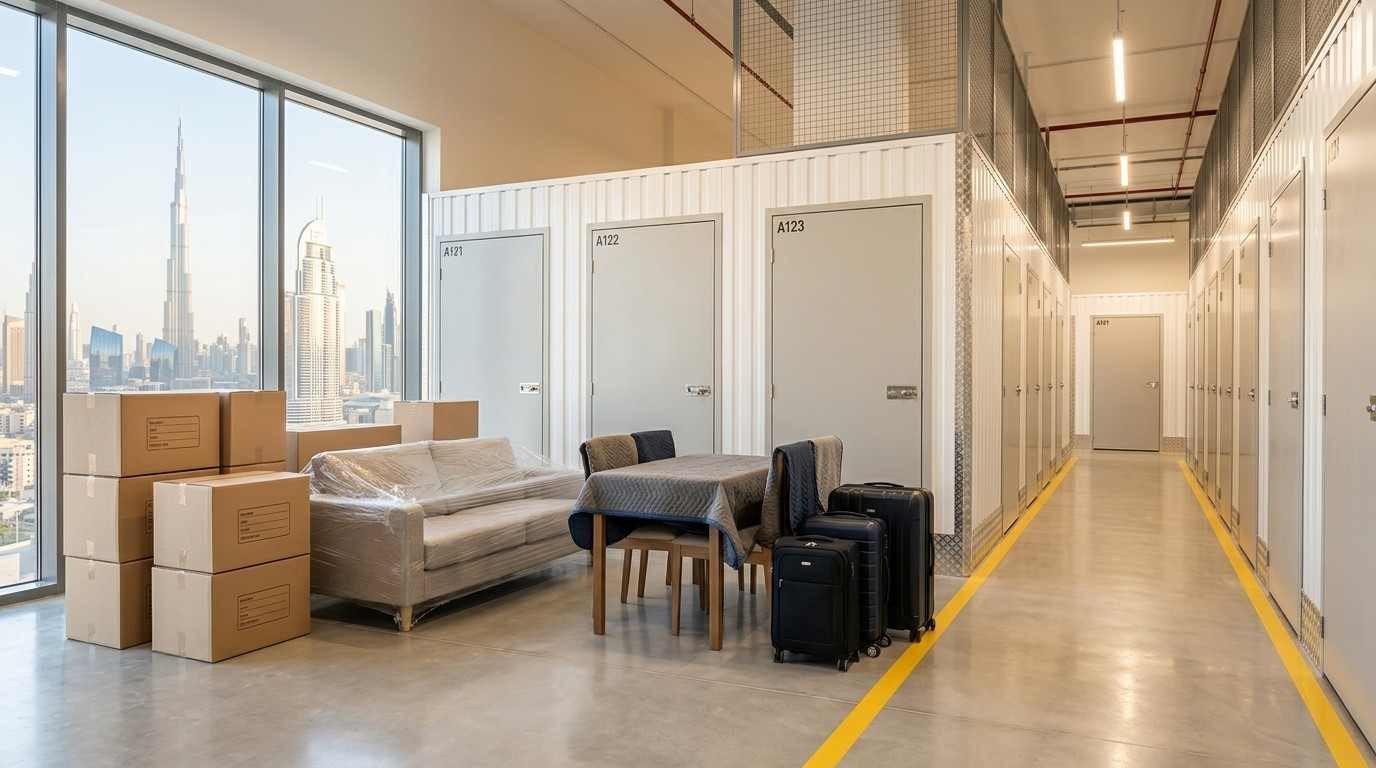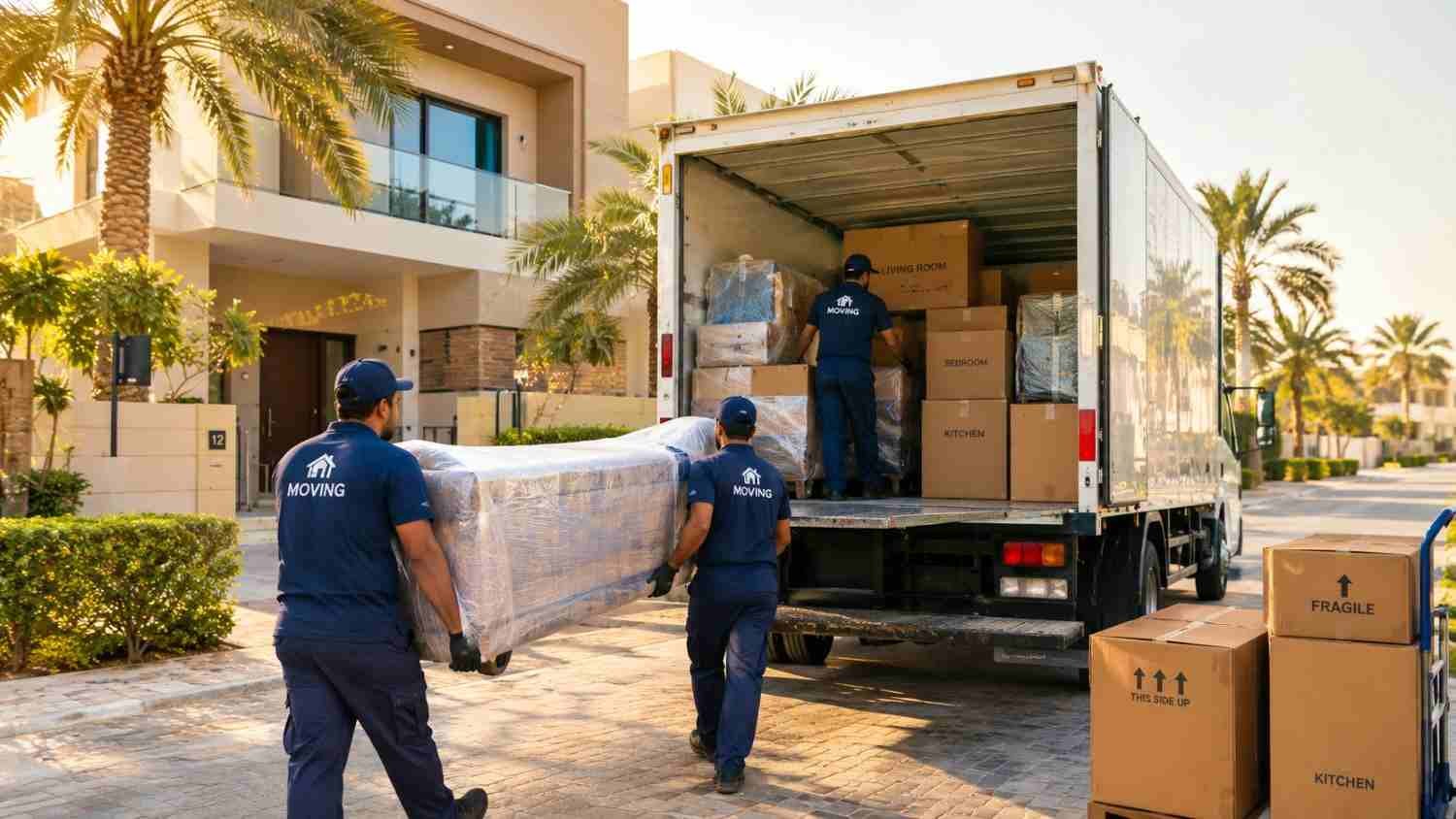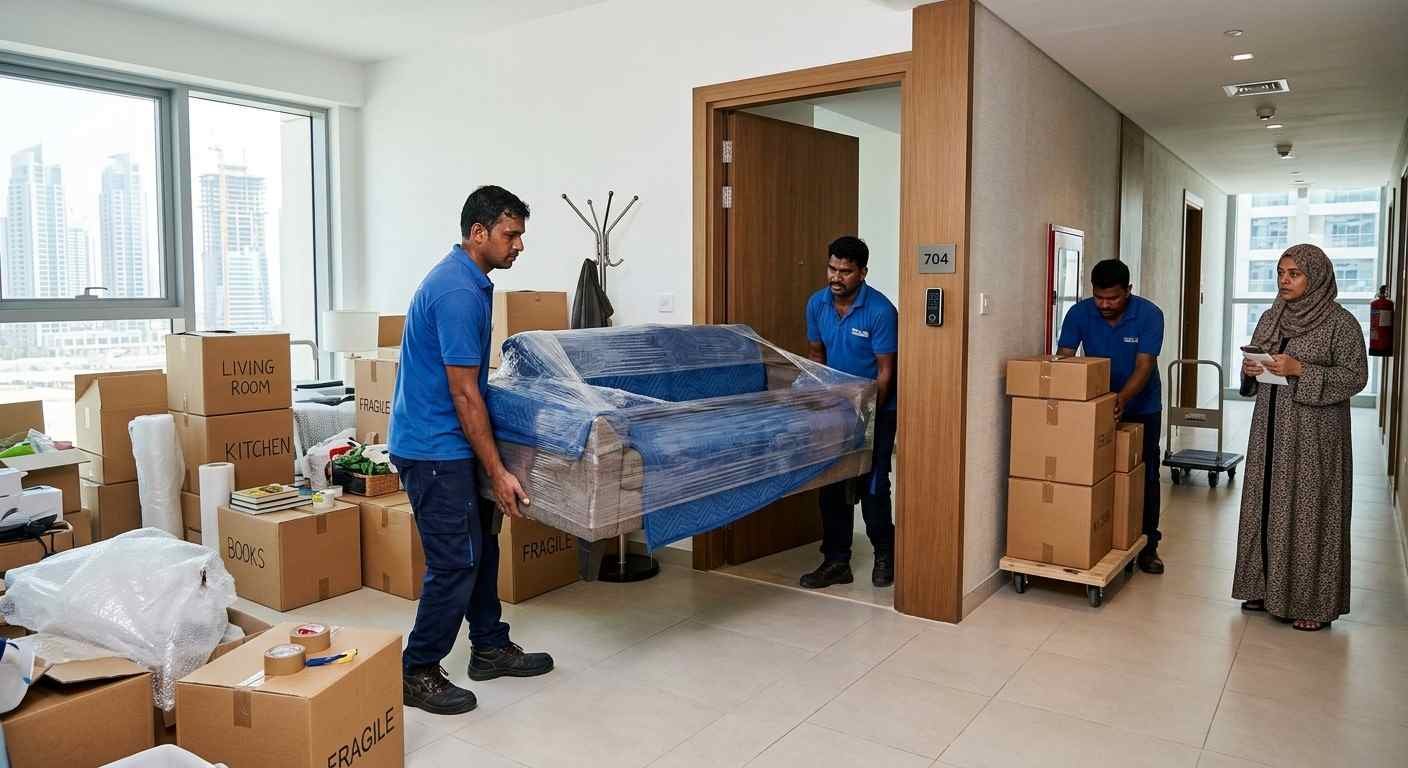
Moving is one of those life events that sounds simple on paper pack your stuff, load a truck, and unpack at the new place. But anyone who has actually done it knows the real story. I still remember the first time I moved without the right materials. My favorite coffee mugs arrived in pieces, two cardboard boxes caved in halfway through loading, and I spent three sweaty hours rewrapping things I had already packed. That experience taught me something I now tell everyone: if you’re not moving into your new home immediately, using self storage Dubai is one of the smartest ways to keep your belongings safe, organized, and protected while you complete your move.
your move is only as good as the supplies you use.
Whether you’re shifting to a new apartment across town or relocating your entire home internationally, having the right tools and protective materials on hand makes all the difference between a smooth experience and a stressful one.

What Are Moving Supplies?
Moving supplies: are the materials, tools, and protective packaging items used to safely pack, transport, and unpack your belongings during a move. They range from basic cardboard boxes and packing tape to specialty items like wardrobe boxes, TV boxes, and mattress bags.
Think of these essentials as your safety net. Without them, your belongings are exposed to bumps, drops, scratches, moisture, and pressure during transit. With the right ones, even your most fragile glassware or heavy electronics can arrive exactly as they left.
Why Quality Moving Supplies Matter
There’s a big difference between grabbing random grocery store boxes and actually investing in proper moving and packing supplies. Here’s what I learned the hard way:
- Cheap tape fails under weight: I once used a basic stationery tape to seal a box of books. It gave out on the stairs. Every. Single. Book. Fell. Out.
- Thin boxes collapse: A standard single-wall box is fine for pillows. Put your kitchen appliances in one and you’ll understand why double-wall boxes exist.
- No padding – damaged items: Fragile items without bubble wrap or foam are basically rolling the dice on arrival day.
Quality packing materials protect not just your belongings, but also your time, money, and peace of mind.
Who Needs Moving and Packing Supplies?
Honestly? Almost everyone at some point:
- Homeowners and renters: shifting to a new property
- Students: moving into or out of dorms or shared flats
- Families: upgrading to a bigger space or downsizing
- Businesses: relocating offices or storing equipment
- International movers: shipping goods across borders
- Anyone in storage: who needs to protect items long-term
Essential Moving Supplies Checklist
Before you buy anything, build a list. Here’s the complete checklist of moving and packing supplies based on real experience not just theory.
Moving Boxes
The backbone of any move. You’ll need multiple sizes. Always go for double-wall corrugated cardboard boxes for heavy items. Single-wall is fine for lightweight things like clothes and linens. I made the mistake of mixing cheap boxes with quality ones the cheap ones buckled under the weight of books, and I lost two hours repackaging.
Packing Tape
Not all tape is equal. You need strong brown packing tape at least 2 inches wide. I always go through more than I expect. For one 2-bedroom apartment, I used almost 6 rolls. Use tape guns to save your fingers and speed things up significantly.
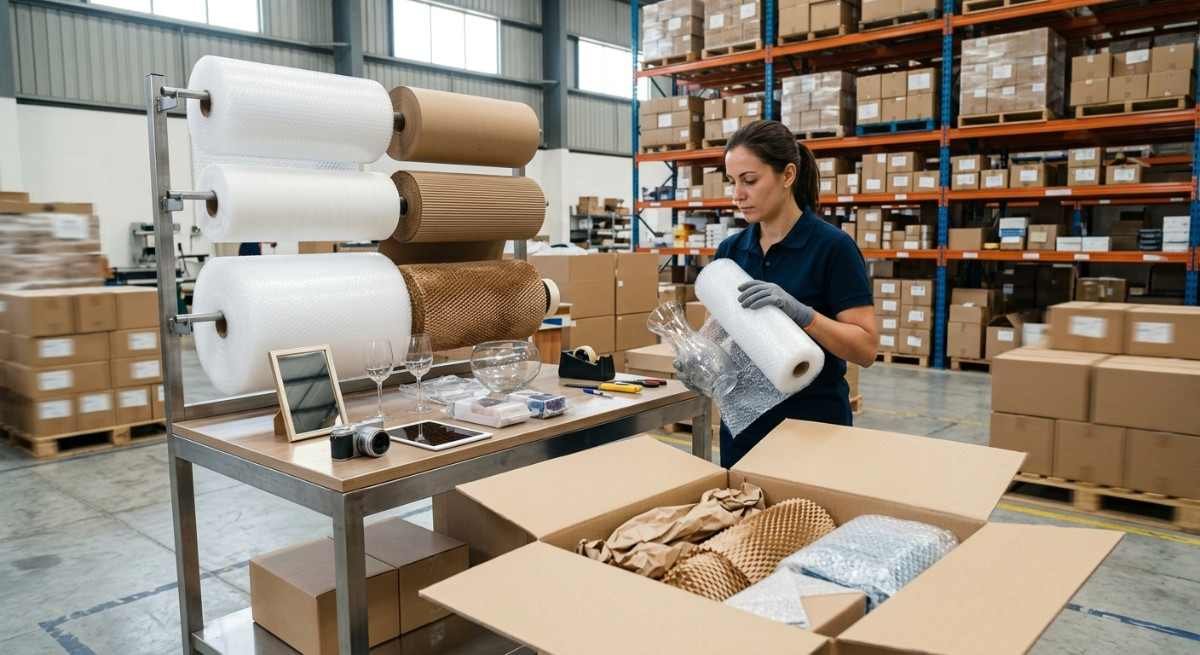
Bubble Wrap
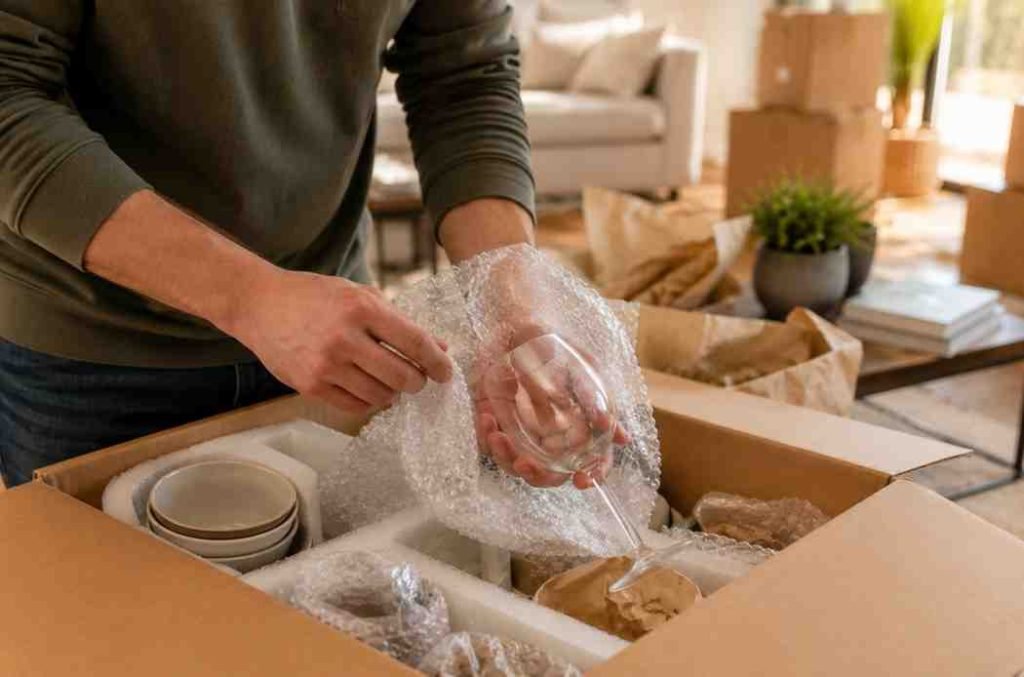
Bubble wrap is irreplaceable for anything fragile glasses, ceramics, picture frames, small electronics. Wrap each item individually, secure with a small piece of tape, and place them vertically in boxes. The rolls I used from my last move were 30cm x 10m – perfect for standard-sized items.
Packing Paper
Clean, unprinted packing paper is your best friend for wrapping dishes, filling gaps in boxes, and protecting surfaces. I prefer it over newspaper because ink transfers and can stain. For a 3-bedroom house, I typically use 3–4 packs of 200 sheets each.
Stretch Wrap
Stretch film (also called shrink wrap or cling film) is excellent for bundling drawers together so they don’t slide open during transit, wrapping furniture to protect surfaces, and keeping small parts and cables attached to furniture. One 50cm roll goes a long way.
Furniture Moving Blankets
If you’re moving wooden furniture, metal appliances, or anything with a surface that can scratch, furniture blankets are non-negotiable. Wrap them around chairs, tables, and cabinets before loading. I ruined a solid wood dining table because I didn’t use one – a scratch that went all the way down one leg.
Foam Sheets
Thinner than bubble wrap, foam sheets are great for plates, artwork, mirrors, and delicate surfaces. Layer plates with foam sheets between each one – never stack plates flat without protection.
Packing Peanuts
Best used for boxes with small, oddly-shaped, or extremely fragile items. Fill the bottom of the box, place your wrapped item, then fill all remaining gaps. The item should not shift when you shake the box gently.
Labels & Permanent Markers
This is the most underrated item on any packing checklist. Label every box with:
- Room destination
- Contents (brief description)
- Handling instructions (FRAGILE, THIS SIDE UP, HEAVY)
Box Cutter & Utility Knife
You’ll need it for breaking down boxes, cutting tape, and unpacking. Keep one in your pocket on moving day you’ll reach for it constantly.
Mattress Bags
Mattresses collect dust, moisture, and stains during a move faster than you’d expect. A proper mattress bag keeps it clean and protected. Always choose one size up to make it easier to slide on.
Wardrobe Boxes
These are tall boxes with a hanging rod inside. Instead of folding your hanging clothes, you transfer them directly on their hangers. It saves hours of ironing after the move. I used these for suits, formal dresses, and delicate shirts zero wrinkles, zero stress.
How to Choose the Right Moving Supplies
One of the most common questions I get is: “How do I know what to buy?” The answer depends on four things.
Based on Home Size
| Home Size | Estimated Box Count | Key Supplies |
| Studio / 1BR | 20–30 boxes | Standard tape, 1–2 rolls bubble wrap |
| 2BR Apartment | 30–50 boxes | Stretch wrap, foam sheets, furniture blankets |
| 3BR House | 50–80 boxes | Full kit including wardrobe boxes, dish packs |
| 4BR+ House | 80–120+ boxes | Everything above + TV boxes, mattress bags |
Based on Item Weight
- Books, tools, kitchenware: Small boxes only. Never large boxes they become impossible to lift safely.
- Clothes, linens, pillows: Large boxes are fine. These items are light but bulky.
- Electronics: Medium boxes with heavy padding and a double-wall construction.
Based on Fragile Items
For delicate items, double your budget for packing supplies for moving. Bubble wrap, foam pouches, dish pack boxes, and extra packing paper are all worth it. I packed my grandmother’s china using a full dish pack kit double-walled box, foam dividers, individual packing paper for each piece and everything arrived perfect.
Based on Moving Distance
- Local move: Standard boxes and tape are usually enough, with padding for fragile items.
- Long-distance move: Upgrade to double-wall boxes, add more stretch wrap, use plastic bins for electronics.
- International move: Invest heavily in moisture-resistant materials and professional-grade packing supplies for moving fragile goods across borders.
Moving Boxes Explained
Not all boxes are created equal. Here’s a breakdown of every type I’ve personally used.
Small Boxes (1.5 cubic feet)
Best for: Books, DVDs, tools, canned goods, heavy kitchen items. Never use for lightweight bulky items you’ll waste space.
Medium Boxes (3 cubic feet)
The workhorse of any move. Best for small appliances, pots and pans, toys, folded clothes, bathroom items. About 40% of my total box count.
Large Boxes (4.5 cubic feet)
Best for pillows, bedding, lampshades, stuffed animals, light clothing. Warning: Don’t overload. Keep under 30kg per box.
Extra Heavy-Duty Boxes
Double or triple-wall corrugated. Best for wine, bottles, heavy equipment, fragile collections. Worth every extra dirham.
Wardrobe Boxes
Game-changers for hanging clothes. Usually 46x46x120 cm tall with a metal hanging bar included.
TV Boxes
Purpose-built for flat-screen TVs and monitors. Come with foam inserts and corner protectors. Don’t try to pack a TV in a regular box.
Dish Pack Boxes
Also called cell boxes or glass pack boxes. They have cardboard dividers built in, creating individual cells for each glass or mug. Eliminates the risk of items clinking together and breaking in transit.
Packing Supplies for Moving Fragile Items
Fragile items need a layered approach. Here’s what I do for each category:
Glassware
Wrap individually in packing paper, then add a layer of bubble wrap. Place upright never flat in a dish pack box. Fill all gaps with packing peanuts or crumpled paper. Mark the box FRAGILE on all six sides.
Electronics
Use original boxes whenever possible. If not, double-wrap in bubble wrap, place in a snug-fitting box, and fill all empty space with foam or packing peanuts. Never let electronics shift inside a box. Remove batteries from all devices.
Kitchen Items
Cast iron and heavy pots go in small boxes only. Wrap lids separately. For sharp knives, wrap each blade in packing paper and tape securely before placing in a flat box.
Artwork
Use corner protectors and sandwich artwork between two pieces of cardboard. Wrap the whole thing in bubble wrap. For large pieces, purpose-built picture boxes or custom crating is the only safe option.
Mirrors
Never pack mirrors standing upright without a frame support. Use mirror packs or custom-cut foam. Mark “MIRROR – DO NOT LAY FLAT” in large letters on the box.
Furniture
Disassemble what you can. Remove legs from tables and sofas. Wrap all wooden surfaces in furniture blankets. Bag all screws and hardware in labeled zip-lock bags and tape them to the furniture they belong to.
Room-by-Room Moving and Packing Supplies Guide
Based on personal experience moving four times in five years, here’s exactly what each room needs:
Kitchen
Supplies needed: Dish pack boxes, packing paper, bubble wrap, foam pouches, small and medium boxes, stretch wrap for drawers, permanent markers.
Start with things you use least specialty appliances, seasonal cookware, serving dishes. Pack daily-use items last. Label every box with contents – you’ll thank yourself at 11pm looking for a glass of water.
Bedroom
Supplies needed: Wardrobe boxes, medium boxes, mattress bag, packing paper, labels.
Pack off-season clothes first. Wardrobe boxes for hanging items. Mattress bag goes on last, right before the mattress goes on the truck.
Bathroom
Supplies needed: Medium boxes, small zip-lock bags, stretch wrap, plastic bins (optional).
Seal all bottle caps with stretch wrap or press-seal. Place in zip-lock bags as a backup. Keep toiletries in a separate “open first” bag that travels with you, not on the truck.
Living Room
Supplies needed: Furniture blankets, stretch wrap, TV box, bubble wrap, picture boxes, medium and large boxes.
Protect all furniture surfaces before anything else. Dismount TVs last and pack them in purpose-built TV boxes. Disconnect all cords, label them with masking tape and a marker, and pack them in a dedicated electronics box.
Office
Supplies needed: File boxes, bubble wrap, medium boxes, plastic bins, cable management bags.
Back up all digital data before packing anything. Keep important documents in a folder you carry personally never put them on the truck.
Garage
Supplies needed: Heavy-duty boxes, stretch wrap, plastic bins, zip-lock bags for hardware.
Drain all fuel from power tools and lawnmowers before moving it’s a safety requirement, not a suggestion.

How Many Moving Supplies Do You Actually Need?
Here’s a real estimate based on experience:
For a 1-bedroom apartment:
- 20–25 boxes (mix of small, medium, large)
- 3–4 rolls of packing tape
- 1 roll bubble wrap (30cm x 10m)
- 2 packs packing paper
- 1 roll stretch wrap, 1 mattress bag, 2–3 furniture blankets
For a 3-bedroom house:
- 60–75 boxes (including specialty boxes)
- 8–10 rolls packing tape
- 3–4 rolls bubble wrap, 5–6 packs packing paper
- 2 rolls stretch wrap, 2–3 mattress bags
- 1 wardrobe box per 30 hanging items, 5–6 furniture blankets
Always round up. Leftover tape and paper is far less painful than running out on moving day.
Where to Buy Moving Supplies
Moving Supply Store
A dedicated moving supply store is often your best option. Staff there understand what you actually need, can help you estimate quantities, and typically stock professional-grade materials.
Home Depot Moving Supplies
Home Depot moving supplies are widely trusted for good reason. They carry standard boxes, tape, bubble wrap, and specialty boxes like wardrobe and TV boxes. Many shoppers compare Home Depot moving supplies against online prices before placing a bulk order.
Online Stores
Platforms like Amazon.ae and Noon offer a massive range of boxes, bubble wrap, and protective packaging often at competitive prices. Stick to verified sellers with strong reviews and check the box ply (3-ply vs 5-ply) before ordering.
Local Packing Supply Stores
In markets like the UAE, companies like Duboxx and Hadanco operate as a professional moving supply store with fast local delivery. They stock 5-ply heavy-duty boxes, industrial stretch wrap, and edge protectors. Shopping at a dedicated moving supply store also means staff can help you estimate quantities.
How to Save Money on Moving Supplies
Packing costs add up fast. Here’s how to keep it under control without cutting corners on quality:
Reuse Packing Materials
Ask friends, family, or neighbors who recently moved if they have boxes. Facebook Marketplace and community groups are also great sources for free or cheap boxes.
Buy Moving Kits
Pre-assembled packing kits bundle the essentials (boxes, tape, bubble wrap, paper) at a package price. For most standard moves, a kit designed for a 2- or 3-bedroom home covers 80–90% of what you need.
Purchase in Bulk
If you know you need 60+ boxes, buy in bulk directly from a supplier. Price per unit drops significantly.
Compare Local vs Online Prices
Don’t assume online is always cheaper. Factor in shipping costs, delivery time, and minimum order quantities. A local moving supply store often wins on total cost for heavy bulk orders.
Eco-Friendly Moving Supplies
When choosing packing supplies for moving, going eco-friendly is easier than most people think.
Recyclable Boxes
Most cardboard moving boxes are already recyclable. After your move, flatten and stack them offer them to other movers or find a cardboard recycling pickup.
Paper Cushioning
Honeycomb packing paper is a strong eco-friendly alternative to bubble wrap. It’s biodegradable and surprisingly effective for medium-weight fragile items.
Reusable Storage Bins
Hard plastic bins are stronger, waterproof, and reusable indefinitely. Over 2–3 moves they pay for themselves. I now use plastic bins for books, tools, and seasonal items.
Common Packing Mistakes to Avoid
I’ve made most of these at least once, so learn from my experience:
- Overpacking boxes. If you can’t comfortably lift it alone, it’s too heavy. Split it into two boxes.
- Under-packing boxes. Empty space lets items shift and break. Fill gaps with packing paper or foam.
- Not labeling boxes. You will regret this. Spend 10 seconds per box. It saves hours of searching later.
- Packing liquids without sealing. One leaked shampoo bottle can ruin a whole box of clothes.
- Waiting too long to start. Packing always takes 2–3 times longer than you expect. Start weeks early.
- Using wrong box for wrong item. Books in large boxes = impossible to lift. Pillows in small boxes = huge waste.
- Forgetting an “open first” box. Pack a clearly marked box with kettle, mugs, chargers, toilet paper, and basic toiletries.
Expert Packing Tips for a Safe Move
After four moves and helping friends with several others, these are the tips that made the biggest real-world difference. These apply whether you’re sourcing moving and packing supplies locally or ordering online:
- Pack room by room, not category by category. It’s easier to unpack when everything from a room is together.
- Heavier items at the bottom of the box, lighter on top. Always.
- Never leave empty space in a box. Use crumpled paper, foam pieces, or even clean socks to fill gaps.
- Tape all boxes – even if they seem sturdy. The box will be stacked and moved multiple times.
- Take photos of electronics setups before disconnecting. You’ll thank yourself when setting up the new place.
- Keep screws and hardware in labeled bags taped to the furniture they came from.
- Mark fragile boxes on all four sides AND the top. Movers don’t always see the top label when boxes are stacked.
Moving Supplies vs Storage Supplies
There’s overlap, but they’re not identical. Here’s how to think about it:
| Feature | Packing for Moving | Storage Supplies |
| Primary use | Transit protection | Long-term protection |
| Box type | Standard corrugated | Heavy-duty, sealed |
| Moisture concern | Short-term | Critical |
| Label importance | Very high | Moderate |
| Padding level | Heavy | Moderate to heavy |
| Reusability | Often one-time | Designed for reuse |
If you’re moving items directly into storage, invest in storage-grade supplies: moisture-resistant boxes, silica gel packs, plastic bins with sealed lids, and heavy-duty stretch wrap for furniture.
Frequently Asked Questions
What packing materials do I really need?
At minimum: boxes (multiple sizes), packing tape, bubble wrap, packing paper, and labels. For most homes, add stretch wrap, furniture blankets, and at least one wardrobe box.
Are plastic bins better than cardboard boxes?
For long-term storage and repeated moves, yes. For a one-time move, quality cardboard boxes are more cost-effective.
How many moving boxes are needed for a 3-bedroom house?
Typically 60–80 boxes, including a mix of small, medium, large, wardrobe, and specialty boxes. Always buy 10–15% extra.
Can I reuse moving boxes?
Yes, as long as they’re structurally intact no soft spots, no collapsed corners, no moisture damage. Reinforce reused boxes with fresh tape on all seams.
What is the best tape for moving boxes?
Brown polypropylene packing tape, 2 inches wide, with a strong acrylic or hot-melt adhesive. Avoid cheap stationery tape it fails under weight and temperature changes.
What packing materials protect fragile items best?
Bubble wrap for individual wrapping, foam pouches for glasses and mugs, dish pack boxes for kitchenware, and honeycomb paper as an eco-friendly alternative all play an important role in moving and storage. Layer your protection because one material is rarely enough to keep truly fragile items safe during transport or while they are stored for an extended period.
Is it cheaper to buy a moving kit?
Usually yes, especially for standard home sizes. Kits bundle the essentials at a lower per-unit cost and eliminate the risk of forgetting something important.
Does Home Depot sell a complete packing kit?
Yes. Home Depot moving supplies include boxes in all sizes, packing tape, bubble wrap, wardrobe boxes, TV boxes, furniture blankets, and pre-assembled kits.
What’s included in a standard moving supplies kit?
A standard kit typically includes: a set of assorted boxes, packing tape with dispenser, bubble wrap roll, packing paper, foam pouches, and labels. Premium kits add stretch wrap, furniture blankets, and specialty boxes.