I have been sourcing, testing, and reselling packaging material for local grain traders and export houses for years, and gunny bags are still the first product I recommend to anyone who asks about safe bulk storage. In this guide I am sharing everything I have picked up on the floor of jute mills and packaging warehouses in the UAE what these sacks actually are, the gunny bags meaning in english that most buyers get wrong, the fibre used to make gunny bags, the common designs of pulses in gunny bags, and how to pick the right supplier. If you only remember one thing, remember this: not every sack sold under this name today is made the same way, and that difference decides whether your stock stays dry or gets ruined in a single humid week.
What Are Gunny Bags?
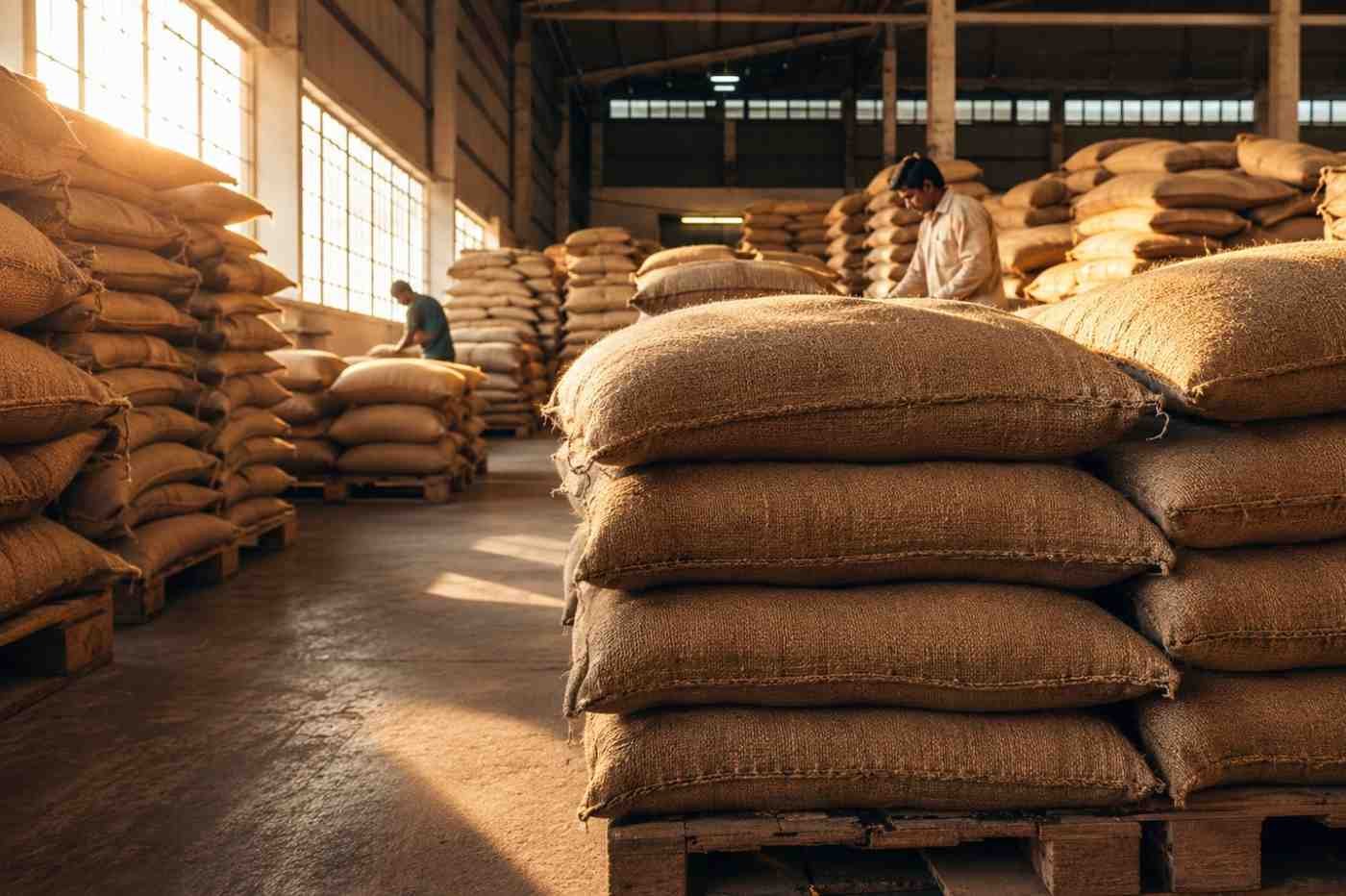
These are coarse, woven sacks traditionally made from jute or hessian fibre and used for packing, storing, and transporting bulk goods such as grains, pulses, sand, and vegetables. When I unpack a fresh bale of these sacks at a warehouse, the smell of raw jute is the first giveaway of quality a proper sack has that earthy, slightly sweet scent, while a cheap synthetic imitation smells of plastic. Over the years I have handled thousands of these sacks, and the ones that hold up best under rough handling are always the ones woven tight and finished with a proper hem.
Gunny Bags Meaning in English
People searching for the gunny bags meaning in english usually already know the product by a local name bora, katti, or sack and just want the correct English term confirmed. In plain English, a gunny bag is a large, coarse sack woven from natural fibre (most commonly jute) or from synthetic polypropylene, used to store or transport loose materials in bulk. The word “gunny” itself comes from the Hindi/Sanskrit “goni,” and over decades of trade between South Asia and the Gulf, this term settled into its current, universally understood sense: a rugged, breathable sack for agricultural and industrial packing. When my clients ask about it on a purchase order, I always confirm they mean the physical sack, not the loose measurement term some older traders still use interchangeably.
What Are Gunny Bags Made Of?
Traditionally, gunny bags were made entirely of jute fibre, spun into yarn and then woven on a loom into a coarse, breathable cloth. Today, the same term covers two broad material families: natural jute sacks and polypropylene (PP) woven sacks, which mimic the look and texture of jute but are made from plastic strands. I always tell first-time buyers to check the weave under sunlight natural fibre has visible inconsistency in thickness, while PP strands look machine-perfect. Understanding this material split is really the foundation of the gunny bags meaning in english, since the term now covers both the traditional jute sack and its modern synthetic cousin.
Fibre Used to Make Gunny Bags
The primary fibre used to make gunny bags is jute, extracted from the stem of the Corchorus plant grown mainly in the Indian subcontinent and Bangladesh. This jute fibre is prized because it is biodegradable, strong under tension, and naturally breathable, which keeps stored grain from sweating. In modern packaging, polypropylene has become an alternative fibre used to make gunny bags, chosen for its resistance to moisture and lower cost, though it does not offer the same eco-friendly profile as jute. Whenever I am asked which fibre used to make gunny bags is better for long-term grain storage, I still point buyers toward jute for breathability, and toward PP only when the cargo will face heavy rain or sea spray during transit.
A Brief History of Gunny Bags
Origin of Gunny Sacks
Gunny sacks trace their roots to the jute-growing river deltas of Bengal, where farmers began weaving coarse cloth from local plant fibre centuries before mechanised mills existed. British colonial trade later industrialised jute weaving in Kolkata during the 19th century, turning a village craft into one of the world’s largest packaging industries, and these sacks became the standard container for shipping raw materials across the empire.
Evolution from Traditional Jute to Modern Packaging
As plastics became cheaper after the mid-20th century, polypropylene sacks entered the market and slowly took over segments where moisture resistance mattered more than biodegradability. I have watched this shift firsthand in Gulf warehouses — twenty years ago almost every sack on the dock was jute; today it is a mix, with jute holding strong in food-grade and export packaging while PP dominates construction and heavy industrial use.
Types of Gunny Bags
Natural Jute Gunny Bags
These are the original sacks in this category woven from raw jute fibre, biodegradable, and still the preferred choice for coffee, cocoa, and premium grain exporters who need certified eco-friendly packaging.
Polypropylene (PP) Gunny Bags
PP gunny bags are woven from synthetic plastic tape, offering better moisture resistance and a longer shelf life outdoors. They are the standard now for sand, construction debris, and general bulk storage where cost and durability outweigh biodegradability.
White Gunny Bags
White gunny bags, usually a laminated or coated PP variant, are popular in the UAE for food packaging, retail display, and export because the clean surface takes printing well and looks presentable on a supermarket shelf.
Laminated Gunny Bags
Laminated gunny bags add a thin plastic film to the woven base, making them fully waterproof ideal for cement, fertiliser, and chemical powders that must never absorb moisture.
Printed Gunny Bags
Printed gunny bags carry a company logo, product name, or nutritional details directly on the sack, which I always recommend to wholesale clients who want their branding visible at every mandi or warehouse stop.
Heavy-Duty Industrial Gunny Bags
These are reinforced with double stitching and thicker weave, built to carry 50 kg or more without tearing, and are common on construction sites and in heavy manufacturing.
Common Sizes and Weight Capacity of Gunny Bags
Standard Dimensions
The most common sizes I supply are 95x115cm, 110x140cm, and 120x160cm, though smaller 50x75cm sacks are still used for retail-sized packing of pulses and spices.
Capacity for Agricultural Products
A standard sack of this kind typically holds between 25 kg and 100 kg depending on the material being packed – rice and wheat usually go up to 50 kg per bag for easy manual handling, while sand or construction fill can push past 80 kg.
Choosing the Right Size
I always ask clients three questions before recommending a size: what product is going inside, how it will be transported, and who will be lifting it manually. A 50 kg bag is the practical ceiling for a single worker without machinery, and going heavier only increases torn seams and workplace injuries.
What Are Gunny Bags Used For?
Agricultural Storage
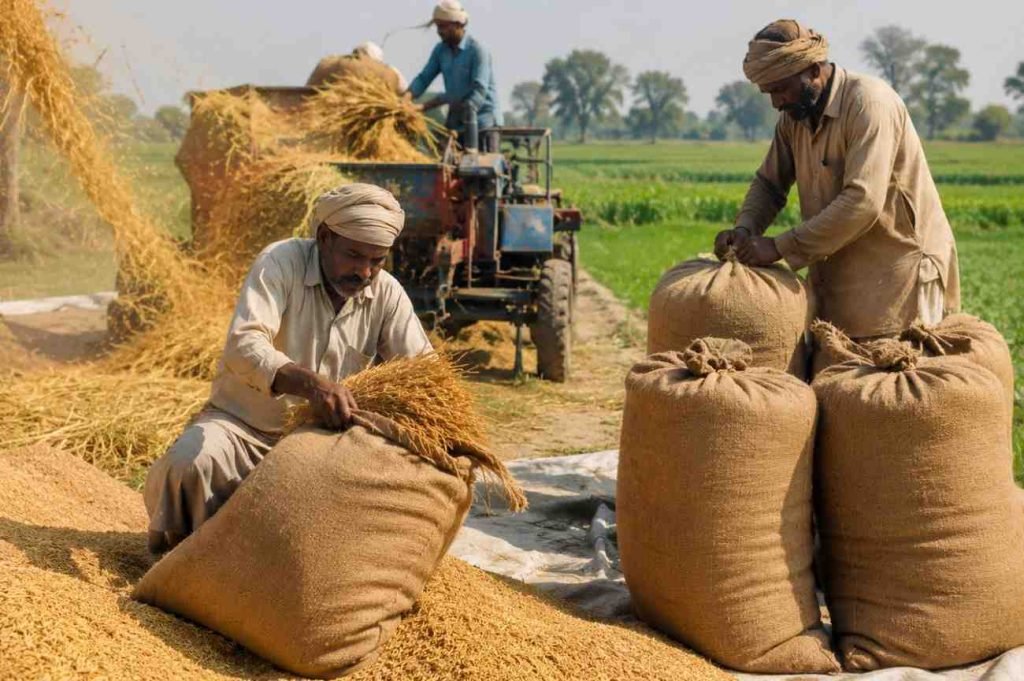
On any farm or mandi I have visited, these sacks remain the default choice for storing harvested crops before they move to a mill or market, simply because the breathable weave prevents condensation build-up inside.
Grain, Rice & Wheat Packaging
Rice, wheat, and other cereal grains are packed in these woven sacks across the subcontinent and the Gulf import trade because the material lets residual moisture escape without letting pests or dust in as easily as an open container would.
Potato, Onion & Vegetable Storage
Root vegetables need airflow to avoid rotting, and a woven jute sack gives them exactly that, which is why every wholesale vegetable market I have worked with still stacks potatoes and onions in these sacks rather than sealed plastic crates.
Coffee, Cocoa & Spice Packaging
Export-grade coffee and cocoa beans travel almost exclusively in jute gunny bags because the natural fibre does not trap odours or alter the flavour profile the way plastic packaging can over a long sea voyage.
Construction and Sand Filling
Businesses using office storage often need temporary site support during office relocations or construction. On UAE construction sites, PP gunny bags filled with sand are used for flood barriers, foundation stabilisation, and temporary weight loading. I have personally supplied hundreds of these for site drainage projects, giving me firsthand experience of their reliability in demanding conditions.
Industrial Packaging
Beyond food, these sacks are used to pack fertiliser, cattle feed, coal, and other loose industrial materials where a low-cost, high-strength sack is more practical than rigid packaging.
Home Storage & DIY Projects
On a smaller scale, people reuse old sacks for gardening, storing firewood, or even sandbagging a doorway during heavy rain — a habit I picked up from my own father, who never threw away a good sack.
Designs of Pulses in Gunny Bags
Traditional Printing Styles
Businesses using business storage often require durable packing solutions for inventory and bulk goods. The classic look for pulses packed in these sacks is a bold, single-colour block print with the trader’s name and weight stencilled across the front a style that has barely changed in decades because it is cheap, legible, and fast to apply on the packing line. Even the more elaborate designs of pulses in gunny bags I see on export orders today still borrow from this same basic layout, making them practical for storage, transport, and organised business operations.
Custom Branding & Logo Printing
Businesses using furniture storage often need strong and reliable packaging materials to protect items during storage and transportation. Wholesalers now increasingly ask for their logo, contact number, and quality grade printed directly on the fabric, and I always recommend keeping the ink food-safe since the sack sits directly against the pulses inside. This is usually the stage where a client asks me to sketch out fresh designs of pulses in gunny bags before committing to a print run, ensuring the sacks are practical for storage, handling, and long-term use.
Popular Designs of Pulses in Gunny Bags
Some of the most requested designs of pulses in gunny bags that I supply include a simple red-and-white striped border with the pulse name in bold Urdu or English lettering, a plain jute finish with a stitched paper label, and a full-colour printed PP sack showing the grain type with nutritional icons. Retailers packing chana, moong, and masoor almost always ask for these specific patterns because customers associate the striped look with freshness and trust. When I consult with a new pulses trader, I show them samples of these designs of pulses in gunny bags first, since the right print can genuinely move stock faster on a crowded shelf.
Export-Quality Printing Standards
For export shipments, printing must meet destination-country labelling rules, including net weight, country of origin, and batch number, all printed in fade-resistant ink that survives sea freight humidity. Even the boldest designs of pulses in gunny bags need to follow these compliance rules once the shipment crosses a border.
Benefits of Using Gunny Bags
Eco-Friendly & Biodegradable
Jute sacks decompose naturally within months once discarded, unlike plastic packaging that can sit in landfill for decades, which is why I push eco-conscious clients toward the jute option whenever biodegradability matters to their brand.
Strong and Durable
A well-woven sack can be dropped, stacked, and dragged across a warehouse floor repeatedly without splitting, provided the stitching at the base is reinforced — a detail I always inspect before signing off on a bulk order.
Breathable Material
The loose weave allows air to pass through the fabric, which keeps grain and produce from sweating and reduces the risk of mould during storage or long transport.
Reusable and Cost-Effective
A single sack can be reused several times for storage, moving, or even repurposed as garden or construction material, stretching its value well beyond the original purchase.
Sustainable Packaging Choice
For companies chasing sustainability targets, switching from plastic to jute packaging is one of the simplest changes that shows up immediately in an environmental audit.

Gunny Bags vs PP Woven Bags
Material Comparison
Jute sacks are spun from a natural plant fibre, while PP woven bags are made from synthetic polypropylene tape the difference shows the moment you compare their weight, smell, and flexibility side by side.
Durability
PP sacks generally resist tearing and abrasion better outdoors, while jute sacks are strong but degrade faster if left exposed to constant sun and rain.
Moisture Resistance
This is where PP clearly wins polypropylene sheds water, while jute absorbs it, which is why cement and chemical powders almost always go in PP or laminated sacks instead.
Cost Comparison
PP sacks are typically cheaper to manufacture at scale, though jute prices fluctuate with the seasonal harvest and can occasionally undercut PP during a strong crop year.
Which One Is Better?
Neither wins outright I tell clients to pick jute gunny bags for food-grade, breathable, and eco-friendly needs, and PP woven bags when moisture resistance and raw durability matter more than biodegradability.
Industries That Use Gunny Bags
Agriculture
Farmers and mandis rely on these sacks daily for harvesting, storing, and transporting crops from field to market.
Food Processing
Mills and processing units use them for packaging flour, rice, pulses, and animal feed before distribution.
Construction
Sand, cement, and rubble are commonly moved and stored in reinforced sacks on active construction sites across the UAE.
Retail & Wholesale
Wholesale markets stack printed sacks for direct retail sale of pulses, spices, and grains, using the branding on the sack as a silent salesman. This is exactly where popular designs of pulses in gunny bags earn their keep, since a familiar pattern helps regular customers spot their preferred trader from across a crowded market.
Logistics & Export
Shipping and freight companies favour these sacks for bulk cargo because they are lightweight, stackable, and far cheaper to ship empty than rigid containers.
How to Choose the Right Gunny Bags
Picking the right gunny bags for your business is less about brand and more about matching material to cargo, so use the checklist below before you place a bulk order.
Material Selection
Start with what you are packing food-grade or export goods usually call for jute, while construction or chemical material is safer in PP or laminated sacks. The fibre used to make gunny bags you choose here will decide almost every other property that follows, from breathability to shelf life.
Bag Size
Match the sack dimensions to your product volume and handling method; oversized sacks are hard to stack, while undersized ones waste labour on repacking.
Load Capacity
Always check the manufacturer’s rated weight limit rather than guessing, since an overloaded sack fails at the stitched seam first, usually mid-transport.
Moisture Protection
If your cargo route crosses humid ports or open storage yards, choose a laminated or PP variant over plain jute to avoid spoilage.
Printing & Customization
Confirm the supplier can print your branding, weight, and compliance details in food-safe ink before placing a bulk order, especially for export shipments.
How to Store and Maintain Gunny Bags
Looking after your gunny bags properly after purchase extends their working life far beyond what most buyers expect from a simple woven sack.
Storage Best Practices
Keep empty and filled sacks off the ground on wooden pallets, in a dry, ventilated space away from direct sunlight, to prevent both moisture damage and UV weakening of the fibre.
Cleaning & Reusing
Shake out loose debris and air-dry a sack fully before reusing it for a different product, since trapped moisture is the fastest way to invite mould and odour.
Extending Product Life
Rotate stock so older sacks are used first, and inspect stitching regularly a small tear caught early is a five-minute fix, while an ignored one means a spilled shipment later.
Gunny Bags Supplier in UAE
Sourcing this packaging material in UAE has changed a lot since I started in this trade buyers now expect fast delivery, custom printing, and consistent bulk stock, not just a cheap sack. If you are new to the trade, it helps to keep the gunny bags meaning in english in mind while comparing quotes, since some suppliers quote for jute and others for PP under the same generic listing. Below is how supply typically breaks down across the main emirates.
Gunny Bags Supplier in Dubai
Dubai’s suppliers mostly serve the free-zone export trade, stocking both jute and PP variants ready for immediate container loading.
Gunny Bags Supplier in Abu Dhabi
Abu Dhabi demand leans more toward construction and industrial sacks, given the emirate’s ongoing infrastructure projects.
Gunny Bags Supplier in Sharjah
Sharjah’s industrial areas host several packaging manufacturers, making it a practical hub for bulk and wholesale buyers across the northern emirates.
Bulk & Wholesale Supply
Whichever emirate you order from, always ask for a sample sack before confirming a large purchase order — weave tightness and stitching quality vary more between suppliers than most buyers expect.
Why Choose Our Gunny Bags?
We built our supply business around getting the basics right once a client understands the gunny bags meaning in english and the material trade-offs, choosing between our jute and PP options becomes a simple decision.
Premium Quality Materials
Every batch we supply is checked for weave consistency, stitching strength, and fibre quality before it leaves the warehouse. Our team knows the fibre used to make gunny bags matters more than the price tag, so every jute batch is sample-tested before it goes into stock.
Competitive Pricing
Direct sourcing relationships let us offer bulk pricing without compromising on the material standards we have built our reputation on.
Bulk Orders Available
From a single pallet to full container loads, we scale supply to match project size without delaying delivery timelines.
Fast Delivery Across UAE
We keep ready stock across the main emirates, so most bulk orders move out within days rather than weeks.
Custom Sizes & Printing
We handle custom dimensions, logo printing, and export-compliant labelling in-house, so buyers do not need a separate printing vendor.
Frequently Asked Questions (FAQs)
Here are the questions I get asked most often, from the basic gunny bags meaning in english to sizing and customization.
What are gunny bags used for?
Gunny bags are used for storing and transporting bulk goods such as grains, pulses, vegetables, sand, and industrial materials, thanks to their strength and breathability.
What is the meaning of gunny bags in English?
The gunny bags meaning in english is a large, coarse woven sack made from jute or polypropylene, used for packing and storing loose bulk material.
Which fibre is used to make gunny bags?
The main fibre used to make gunny bags is jute, though polypropylene is now widely used as a synthetic alternative for moisture resistance.
Are gunny bags eco-friendly?
Jute gunny bags are fully biodegradable and eco-friendly, while polypropylene versions are more durable but not naturally biodegradable.
Can gunny bags be reused?
Yes, both jute and PP sacks can be reused multiple times for storage, transport, or repurposed household use if kept clean and dry.
What is the difference between jute and polypropylene gunny bags?
Jute sacks are natural, breathable, and biodegradable, while polypropylene sacks are synthetic, moisture-resistant, and generally more durable outdoors.
Which size of gunny bag is best for agricultural storage?
For most grain and pulse storage, a 95x115cm or 110x140cm sack holding 25 to 50 kg is the practical standard for manual handling.
Can I order custom printed gunny bags?
Yes, most suppliers, including ours, offer custom printing with your branding, weight details, and compliance labelling for bulk and export orders.