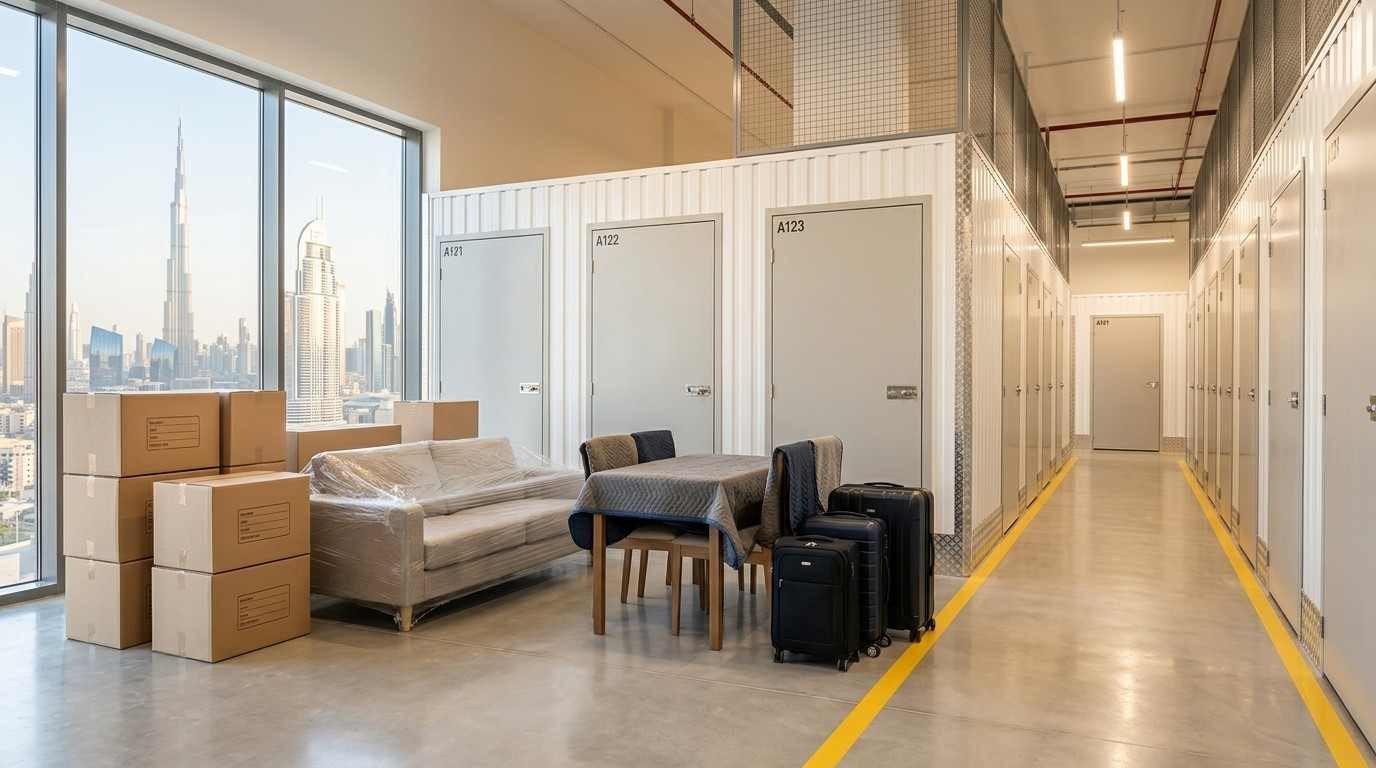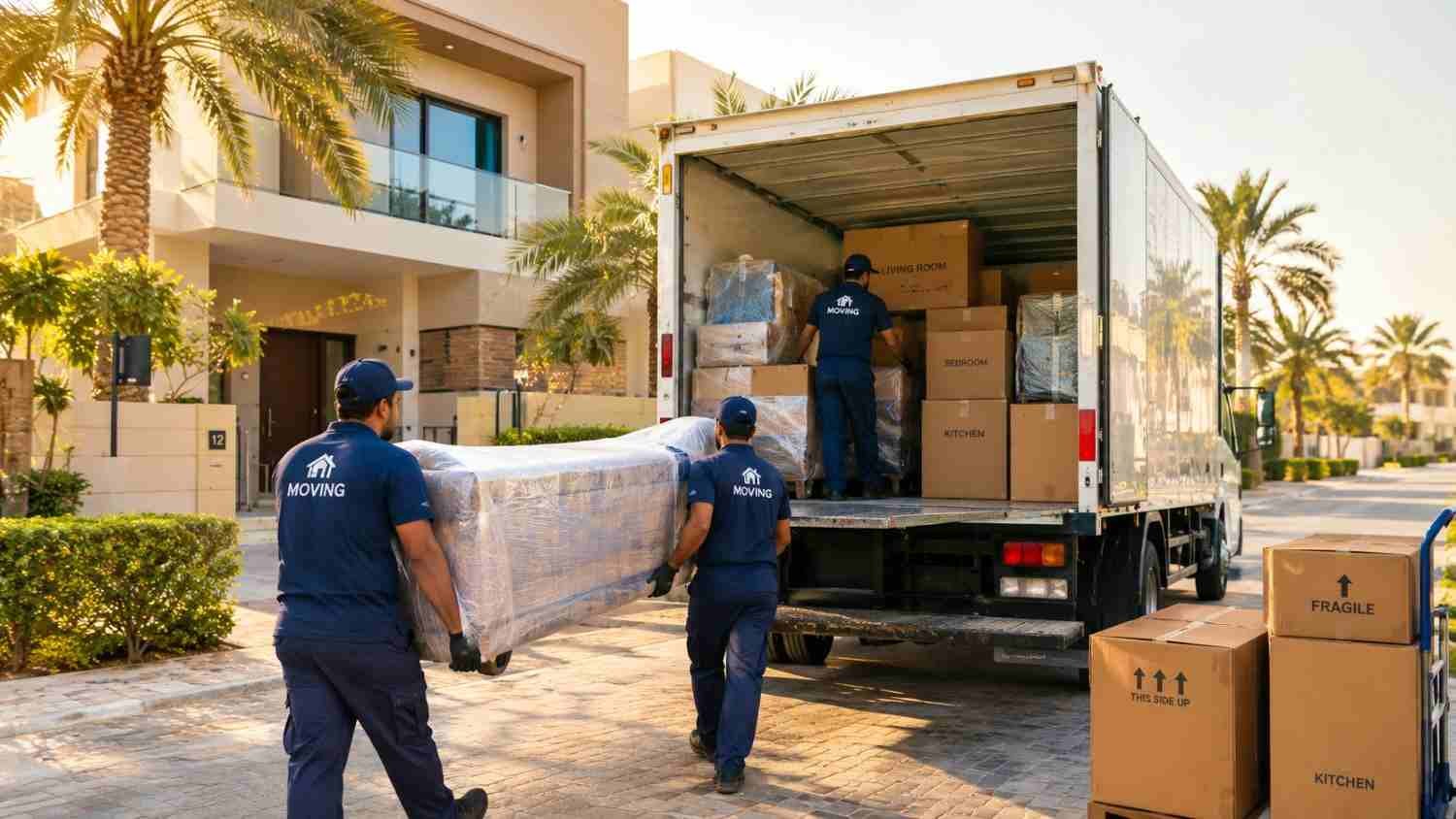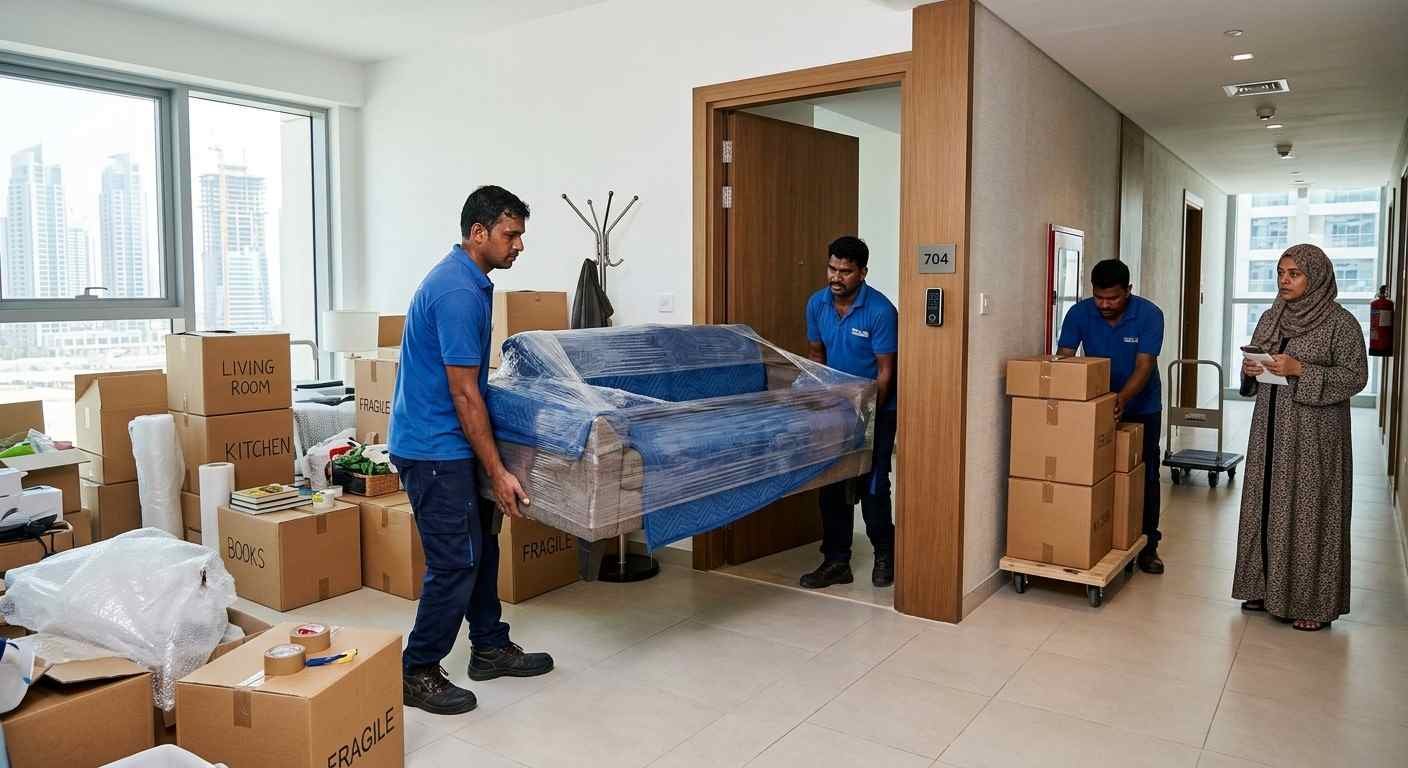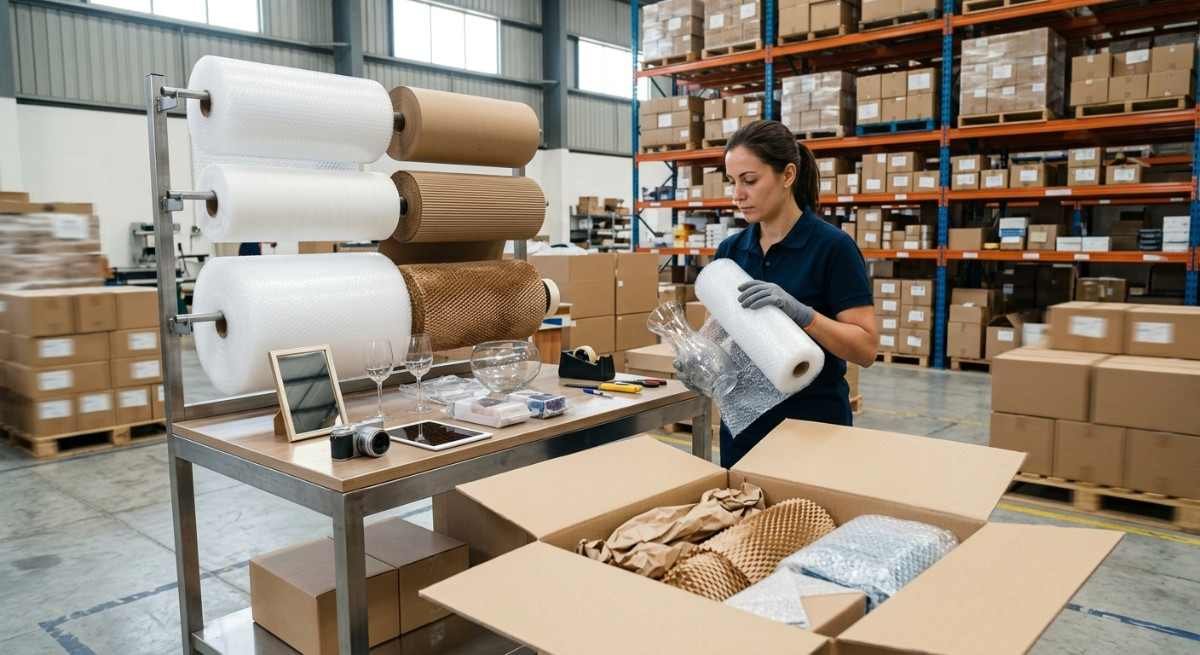
Over the years, I have used self storage in Dubai for everything from moving between apartments to storing business inventory and seasonal household items. One thing I quickly realised is that not all storage facilities offer the same level of security, cleanliness, or flexibility, even if their prices look similar online. Some units are climate-controlled, others are not. Some provide 24/7 access and advanced security, while others come with hidden restrictions that only become obvious after you have signed the agreement. This guide is based on what I have genuinely learned from comparing facilities, renting storage units, and understanding what really matters beyond the advertised price. By the end, you will know exactly what to look for when choosing self storage in Dubai, helping you avoid costly mistakes and select a storage solution that fits your needs with confidence.
What Is a Cardboard Tube?
Extra Box Storage is a secure and flexible storage solution designed to keep your personal belongings, household furniture, business inventory, documents, and seasonal items safe for as long as you need. A reliable storage facility offers much more than just extra space. It provides clean, well-maintained units, advanced security systems, convenient access, and, where required, climate-controlled environments to protect valuable possessions from heat, humidity, and dust. From my own experience comparing different storage providers, I have found that the biggest differences are not always in the advertised price but in the quality of security, customer service, accessibility, and overall unit condition. A dependable Extra Box Storage provider gives you peace of mind, knowing your belongings remain protected, easily accessible, and in excellent condition until you need them again.
How These Tubes Are Made
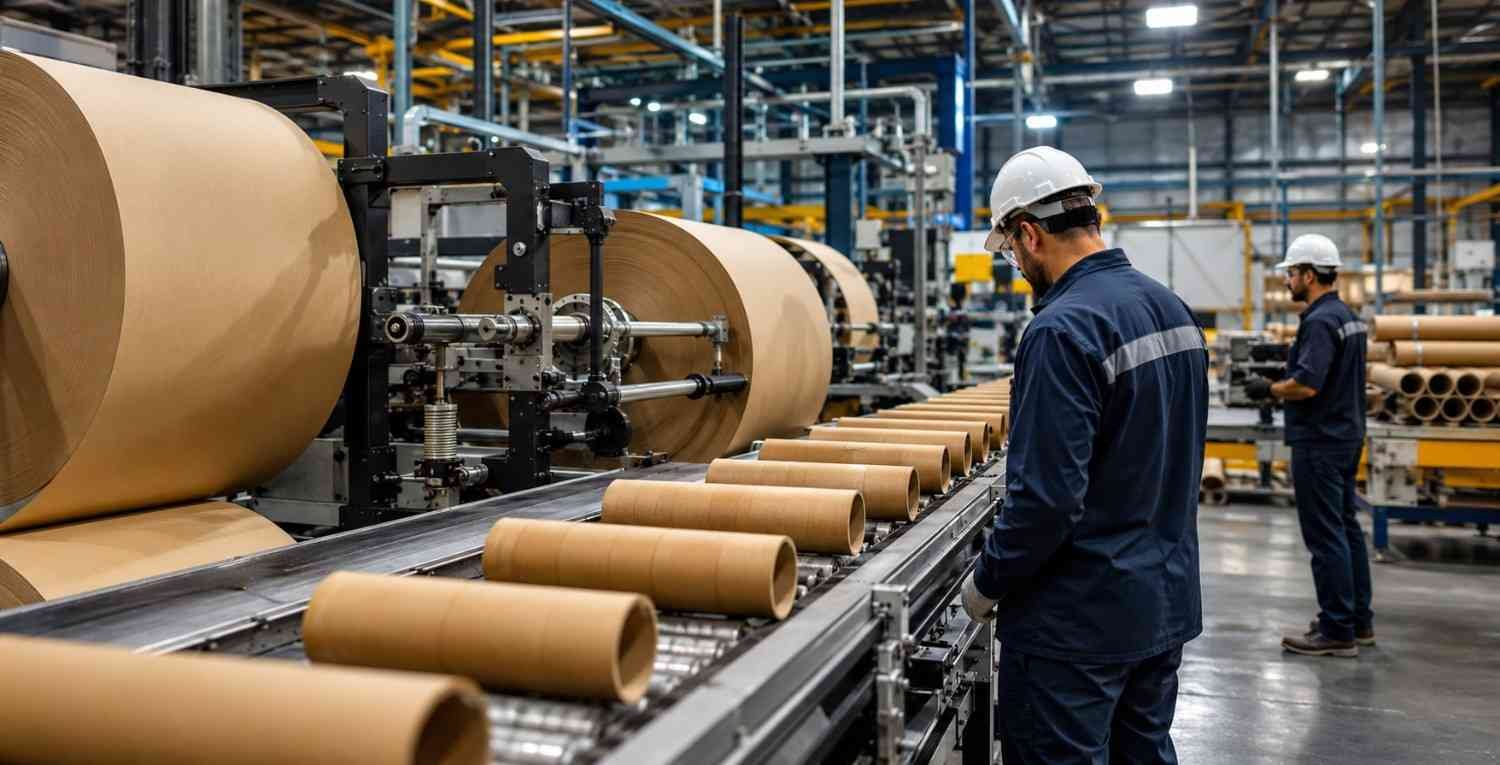
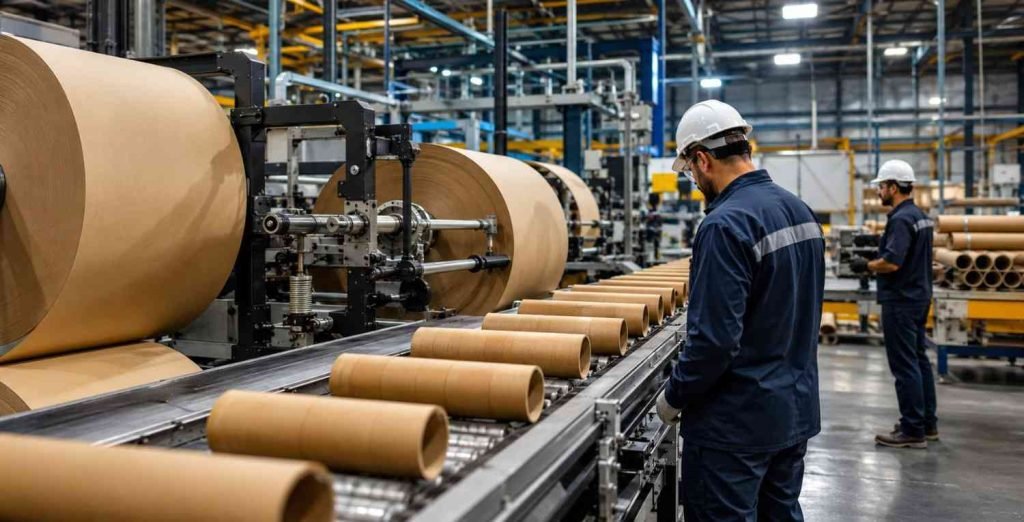
In the mills I have visited over the years, the process always follows a similar rhythm from start to finish. Raw paper is unwound from large reels, slit into narrower strips at the exact width the finished product requires, then fed at a controlled angle onto a rotating mandrel where adhesive is applied evenly between each layer as it wraps. As the layers build around one another, the wall thickens in a matter of seconds, and the operator watches tension gauges closely because uneven tension is the single biggest cause of a weak, out-of-round tube later down the line. Once the desired thickness is reached, the continuous cylinder is cut to length, dried thoroughly, and often sanded or polished for a smoother handling finish. Watching this happen in person made it obvious why a well-wound cardboard tube feels so different from a rushed one the winding tension and drying time genuinely change how the finished piece behaves under load.
Common Materials Used in These Tubes
Most of these rolls are built from either virgin kraft paper, recycled paperboard, or a blend of both, and the choice affects far more than just cost. Kraft paper delivers higher tensile strength and a cleaner surface for printing, which is exactly why premium retail and cosmetics brands lean toward it despite the higher raw material price. Recycled paperboard is far more budget-friendly and still performs perfectly well for mailing tubes, craft rolls, and internal packaging cores where appearance matters less than function. Some manufacturers also add a resin or wax coating to the outer ply for moisture resistance, which becomes important if the finished tube will sit in a humid warehouse or travel through unpredictable weather during long-distance shipping.
Cardboard Tube vs Paper Tube vs Paper Core
People often use terms like business storage, warehouse storage, and commercial storage interchangeably, and for everyday conversations, that is perfectly understandable. However, there are important differences depending on what your business actually needs. Business storage is generally designed for companies that need a secure place to store inventory, office furniture, documents, equipment, or seasonal stock without committing to the high cost of leasing a warehouse. Warehouse storage is usually better suited for large-scale operations requiring significant space and logistics support, while commercial storage can include a broader range of storage solutions for both businesses and professionals. From my own experience comparing storage options, choosing the right category before renting can save both time and money. It helps ensure you get the appropriate unit size, security features, accessibility, and flexibility your business requires instead of paying for space or services you do not actually need.
Types of Cardboard Tubes
Not every roll on the market is built the same way, and choosing the wrong construction type is one of the most common and costly mistakes I see first-time buyers make. Here is a breakdown of the main types I have personally sourced or worked with over the years, along with where each one genuinely earns its place.
Spiral Wound Paper Tubes
This is by far the most common construction method used across the industry today. Paper strips are wound diagonally around a mandrel in a continuous spiral, layer stacking over layer, until the required wall thickness is achieved from a single running paper web. Spiral winding is highly efficient for mass production and produces a strong, evenly distributed cylinder suitable for almost any load-bearing application, from shipping cores all the way up to heavy industrial pipes carrying serious roll weight.
Parallel Wound Paper Cores
Instead of a diagonal spiral, parallel winding wraps the paper directly across the width of the mandrel in straight lines. This method is typically reserved for smaller, precision cores in textile and tape industries where dimensional accuracy matters more than raw wall thickness or maximum output speed. It produces a tighter, more uniform result that performs reliably on high-speed converting lines where even a small variance in diameter can jam the machinery.
Kraft Paper Tubes
Made from unbleached kraft paper, these rolls carry a natural brown tone and a rugged, honest look that many brands now deliberately choose for sustainable packaging campaigns. A kraft-based cylinder also happens to be one of the strongest options per gram of material used, which is exactly why it dominates the mailing and shipping category where crush resistance during transit matters most.
Printed Paper Tubes
When branding matters, the outer ply can be offset or digitally printed either before or after winding, depending on the equipment involved. I have seen everything from a simple one-color logo stamp to a full-wrap luxury design on cosmetics and food containers made this way. Printed rolls are increasingly popular for candle packaging, tea canisters, and premium gift sets because the tube itself becomes part of the unboxing experience rather than just disposable protective material.
Cardboard Mailing Tubes
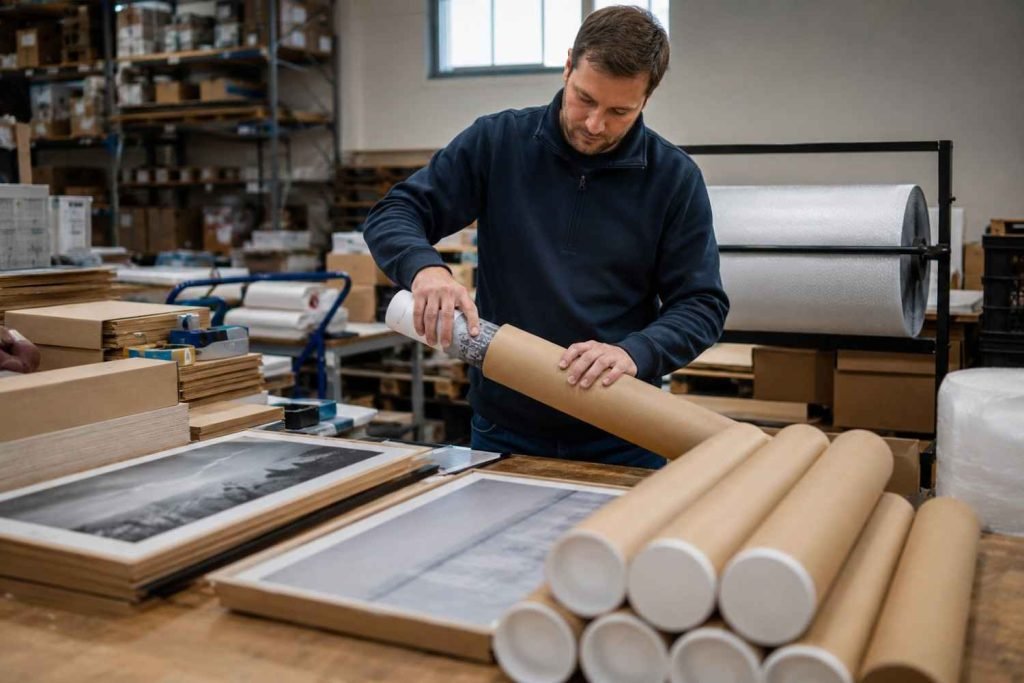
These are the products most people recognize instantly on sight used for shipping posters, blueprints, artwork, and rolled documents through the postal system or courier network. A good cardboard mailing tube needs end caps that lock securely under pressure, enough wall thickness to resist crushing during handling, and often a water-resistant outer coating to survive rough courier conditions without falling apart.
Tubes with End Caps
Adding metal, plastic, or paperboard end caps turns an open cylinder into a fully enclosed container capable of protecting contents from dust, moisture, and impact from every direction. This style has become the standard for mailing rolls, deodorant sticks, and premium retail packaging where the cap itself often doubles as a design feature that customers notice and remember.
Custom-Made Tubes
Custom orders are built to a brand’s exact diameter, length, wall thickness, printing, and finish specifications rather than pulled from a generic catalog size. This is where most of my own sourcing work actually happens a stock size rarely fits a unique product perfectly, and custom tooling lets a business control every visible detail down to the coating, the cap style, and even the sound the lid makes when it closes.
Standard Cardboard Tube Sizes
Diameter Options
Industrial paper cores typically range from around 20mm up to 650mm in diameter, covering everything from small cosmetic containers to massive film and textile cores used in heavy manufacturing. Retail and mailing sizes are usually much smaller in practice, commonly sitting somewhere between 25mm and 100mm, depending entirely on what needs to fit comfortably inside without excess empty space.
Length & Wall Thickness
Length is almost always driven by the application rather than any fixed industry standard a poster tube might run anywhere from 30cm to 120cm, while an industrial core can stretch several meters for continuous film winding on a production line. Wall thickness generally ranges from around 1mm for light craft rolls up to 10mm or more for heavy-duty industrial products that need to carry serious roll weight without bowing or collapsing.
How to Choose the Right Size
I always tell people to start with the product itself, never with the tube. Measure exactly what needs to go inside or wrap around it, add a small tolerance for easy insertion and removal, then work backward to confirm the wall thickness can genuinely handle the expected weight and handling stress it will face in transit. Guessing on size, in my experience, is the fastest and most expensive way to end up placing a second order.
Common Uses of Cardboard Tubes
Packaging & Product Protection
These cylinders are widely used as protective inner packaging, keeping delicate items separated and cushioned inside outer boxes during rough handling and long-distance transit.
Mailing Posters, Maps & Documents
A cardboard mailing tube remains the most reliable way to ship anything that cannot be folded architectural drawings, canvas prints, or large maps without creasing or damaging the contents.
Cosmetics & Luxury Packaging
From lip balm sticks to perfume oil containers, these paper cylinders give premium brands a tactile, sustainable alternative to plastic while still allowing full custom printing and finishing.
Food & Beverage Packaging
Tea canisters, spice containers, and certain beverage packaging formats rely on this style of tube for its combination of light weight, printability, and easy recyclability at end of life.
Textile & Film Industries
Paper cores carry yarn, fabric rolls, and BOPP or polyester film during manufacturing and transport, and this segment demands tight tolerances and consistently repeatable strength batch after batch.
Arts, Crafts & DIY Projects
Craft rolls are a classroom staple used for models, sculptures, and hands-on projects, largely because they are inexpensive, genuinely safe for children, and easy to cut, glue, or paint.
Educational & School Activities
Schools regularly buy bulk packs of these rolls for creative learning activities, teaching children basic construction and design principles through one of the simplest, most affordable materials available.

Benefits of Using Cardboard Tubes
Strong & Durable Construction
Despite being made almost entirely of paper, a properly wound cylinder holds up under surprising loads because its layered, cylindrical structure distributes stress evenly along the entire wall.
Lightweight Yet High Strength
Compared with plastic or metal alternatives of similar dimensions, a paper-based cylinder adds almost no shipping weight while still offering solid crush resistance, which is a genuine advantage for freight costs.
Eco-Friendly & Recyclable
Most of them are made from recycled paper fiber and remain fully recyclable after use, which is a major reason brands are actively shifting away from plastic tubing wherever possible.
Cost-Effective Packaging Solution
Raw material costs for paper stay considerably lower than plastic or metal, so a finished tube typically costs a fraction of what a comparable rigid container would cost to produce.
Easy Storage & Transportation
Empty rolls nest and stack efficiently, taking up far less warehouse floor space than pre-formed boxes before they are ever filled, printed, or shipped out to a customer.
Custom Cardboard Tube Packaging
Custom Printing & Branding
Brands can print full-color artwork, logos, and textures directly onto the outer layer of a cardboard tube, turning a simple container into a genuine branded experience straight off the shelf.
Available Finishes & Coatings
Common options include matte lamination, gloss lamination, soft-touch coating, spot UV, metallic foiling, and varnish, each changing how the finished product feels and looks the moment a customer picks it up.
End Caps, Inserts & Accessories
Custom inserts, ribbon pulls, magnetic closures, and leather or wooden end caps let a cardboard tube compete visually with rigid boxes in the luxury packaging space without sacrificing sustainability.
Premium Tube Packaging for Retail Products
For candles, spirits, and gift sets, a well-finished tube often outperforms a standard box on shelf appeal while staying noticeably lighter and cheaper to ship in bulk.
Cardboard Tube Manufacturing Process
Raw Paper Selection
Everything starts with choosing the correct paper grade kraft, recycled, or a blend of both based on the strength and finish the final product genuinely needs to achieve for its intended use.
Paper Slitting & Winding
Large paper reels are slit into precise strip widths, then spiral or parallel wound around a mandrel with adhesive applied evenly between every single layer as it builds.
Drying & Cutting
The continuous cylinder passes through a drying stage before being cut to exact lengths, a step that locks in the adhesive bond and determines the final rigidity of every finished roll produced that day.
Surface Finishing
Sanding, polishing, or coating gives the finished roll its final texture, readying it either for printing or for direct use depending on where it is headed next.
Quality Control & Inspection
Reputable manufacturers check wall thickness, roundness, crush resistance, and moisture content on sample pieces from every production batch before a single unit ever leaves the warehouse for shipment.
Industries That Use Cardboard Tubes
Packaging Industry
These paper cylinders serve as both primary and protective packaging across countless consumer and industrial goods moving through supply chains every single day.
Paper & Printing Industry
Large paper cores act as the winding base for newsprint, printing paper, and specialty paper rolls throughout the entire production and distribution process.
Textile Industry
Yarn, thread, and fabric all wind onto sturdy paper cylinders engineered to survive high-speed spinning and weaving equipment without deforming under constant tension.
Film & Adhesive Industry
BOPP film, polyester film, and adhesive tape all require precision-wound cores with genuinely tight tolerances for smooth, jam-free unwinding on automated lines.
Construction & Interior Applications
Larger diameter paper cylinders are increasingly used in interior design and even certain structural concepts, thanks to an impressive strength-to-weight ratio few people expect from paper.
Medical & Imaging Industry
Specialty tubes protect X-ray film, medical imaging sheets, and other sensitive diagnostic materials from bending, crushing, or unwanted light exposure during storage and transport.
How to Choose the Best Cardboard Tube
Material Quality
Always ask about the paper grade being used a tube made from low-quality recycled stock will flex and weaken noticeably faster under repeated handling than one built from virgin fiber.
Tube Dimensions
Confirm diameter, length, and wall thickness against your actual product measurements rather than relying purely on standard catalog sizes that may not match your specific packaging needs.
Load Capacity
Ask your supplier directly for the crush strength rating so the cardboard tube you eventually choose can genuinely support the weight it will carry or protect throughout its working life.
Moisture Resistance
If storage or shipping involves any humidity at all, a coated or laminated roll will hold its shape far better over time than an untreated one exposed to the same conditions.
Sustainability Certifications
Look for FSC certification or clear recycled-content documentation if eco-credentials genuinely matter to your brand positioning or to the customers you are ultimately trying to reach.
Cardboard Tube Maintenance & Storage Tips
From my own warehouse experience, these rolls last longest when stored upright in a dry, temperature-stable area, well away from direct sunlight and any risk of standing water nearby. Stacking them horizontally for extended periods can cause gradual flattening over time, especially with thinner-walled products that were never designed to bear weight from the side. Keeping empty units wrapped or covered until they are actually used also prevents dust buildup that can quietly affect printing quality or adhesive application further down the line.
Eco-Friendly Advantages of Cardboard Tubes
Recycled Materials
Most production already relies heavily on recycled fiber, reducing the demand placed on virgin pulp and meaningfully lowering the overall environmental footprint of each unit shipped.
Sustainable Manufacturing
Modern mills increasingly recover both water and energy within the winding and drying process, making today’s production noticeably cleaner than it was even a decade ago.
Supporting Circular Packaging
Because a cardboard tube breaks down and recycles easily at end of life, it fits naturally into circular packaging systems that plastic alternatives simply cannot match no matter how they are engineered.
Cardboard Tube vs Plastic Tube: Which Is Better?
This question comes up constantly with clients who are actively switching away from plastic packaging. A cardboard tube is lighter, cheaper to produce at scale, and far easier to recycle, which matters more with every passing year as packaging regulations continue to tighten across most major markets. Plastic tubes can still offer better moisture and chemical resistance in a handful of specialised cases, but for the vast majority of packaging, mailing, and industrial core applications, a properly coated paper cylinder performs just as well while cutting both cost and environmental impact at the same time. Unless your product truly demands airtight, chemical-grade protection, choosing a cardboard tube is usually the smarter long-term decision for both your budget and your brand image.
Why Businesses Prefer Custom Cardboard Tubes
Businesses keep returning to custom orders because they quietly solve three problems at once: protection, branding, and sustainability, all wrapped into a single lightweight component. A tube sized exactly to the product needs less filler material, ships more efficiently per pallet, and looks genuinely intentional rather than generic the moment it appears on a shelf or inside an unboxing video. For growing brands trying to stand out without inflating their packaging budget, a custom tube consistently delivers more visual impact per dollar spent than a standard printed box ever manages to.
How to Order Custom Cardboard Tubes
Information You’ll Need Before Ordering
Have your product dimensions, target quantity, preferred paper grade, and any branding files ready before requesting a quote, since this alone speeds up the entire process significantly on both sides.
Customization Options
Decide early on diameter, wall thickness, finish, printing method, and end-cap style, since changing any of these mid-production usually means re-tooling and unwanted delays further down the schedule.
Production & Delivery Timeline
Custom orders typically need a sample approval round before mass production begins, so factor in extra lead time compared with grabbing an off-the-shelf option from stock.
Frequently Asked Questions About Cardboard Tubes
What are cardboard tubes used for?
They are used for packaging, shipping posters and documents, cosmetics and food containers, textile and film cores, and countless arts and crafts projects in schools and homes alike.
Are cardboard tubes recyclable?
Yes, most are made from recyclable paper fiber and can go directly into standard paper recycling streams, unless they are heavily laminated with non-paper coatings that require separate handling.
What sizes do cardboard tubes come in?
Sizes range from small 20mm cosmetic cores all the way to large industrial paper cores up to 650mm in diameter, with lengths adjusted freely to match the application.
Can cardboard tubes be customized?
Yes, they can be customized in diameter, length, wall thickness, printing, coating, and end-cap style to match a brand’s specific product requirements and shelf presentation goals.
Are cardboard tubes suitable for shipping?
Absolutely mailing tubes with secure end caps remain one of the most reliable ways to ship rolled documents, posters, and artwork without creasing or crushing the contents in transit.
What industries use cardboard tubes?
Packaging, textile, film, printing, cosmetics, food, construction, and medical imaging industries all rely on this product in some form as part of their everyday operations.
How strong are cardboard tubes?
Strength depends heavily on wall thickness and winding method, but a well-made one can rival plastic or thin metal cylinders in crush resistance while weighing considerably less overall.
Conclusion
After years of specifying, testing, and troubleshooting these products across packaging and industrial projects, the pattern is always the same: the right choice comes down to matching material grade, wall thickness, and finish to the actual job at hand, rather than picking whatever happens to be cheapest on a catalog page that day. Whether you need a simple craft roll or a fully custom, branded cardboard tube for a retail launch, understanding how these products are made and what genuinely separates a strong one from a weak one puts you in a far better position to order with real confidence next time.